Bond Yields Push Gold Below $4,000 as Iran War Drives Oil Prices
Investors are shifting away from the metal and into Treasury securities that offer actual interest, according to Planet Money co-host Jeff Guo.
By Nicholas Campbell ·
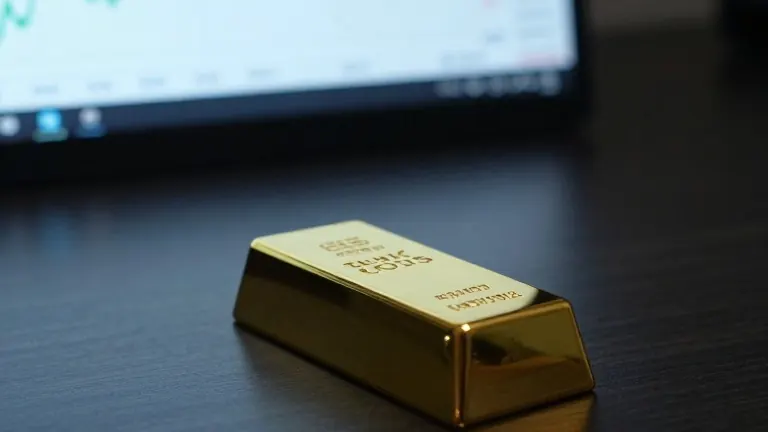
Gold prices fell below $4,000 per ounce this week, marking a steep decline from the nearly $5,600 peak recorded in January. The drop occurred despite ongoing global instability, including the continuing war with Iran and a criminal investigation into the Federal Reserve chair. Typically, such turbulence drives investors toward safe-haven assets like gold, making the recent price action counterintuitive to many market observers.
The primary driver of the decline is the rise in U.S. Treasury bond yields. Jeff Guo, co-host of Planet Money, explained that while gold serves as an inflation hedge, it does not generate income or interest on its own. In the current market, investors can purchase 10-year Treasury Inflation-Protected Securities, or TIPS, which pay income above inflation. These bonds have become more attractive alternatives to holding a physical metal that yields no cash flow.
The Iran war continues to influence the broader economy, but its impact on gold is indirect. Guo noted that the conflict is primarily raising oil prices. Higher energy costs are a factor pushing interest rates upward. As rates climb, bonds offer a higher return on investment, making them more competitive relative to gold. This dynamic has led investors to sell gold in favor of these interest-bearing securities.
The shift in investor behavior reflects a preference for tangible returns in a rising rate environment. Even with political uncertainty remaining high, the immediate financial benefit of TIPS is outweighing the traditional appeal of gold as a store of value during crises. The metal's price action this week illustrates how macroeconomic factors, specifically bond yields, can dominate geopolitical risks in asset pricing.
Market participants are now watching closely to see if gold can regain momentum or if the trend toward bonds will persist. The current environment presents a unique challenge for investors who rely on gold for portfolio stability. The drop below the $4,000 mark serves as a clear signal that the cost of capital is influencing precious metals markets more than expected.
Analysts are monitoring the interaction between oil prices, inflation data, and Treasury auctions to gauge the next move in gold. The recent correction has forced a reassessment of gold's role in a portfolio. With yields rising, the appeal of holding an asset that pays no dividend is diminished. The market is currently pricing in a sustained period where bond yields offer a superior return profile compared to the metal.
The next few weeks will be critical for determining the direction of gold prices. Investors will look to the Federal Reserve for guidance on interest rates and to the energy market for updates on oil prices. The interplay between these factors will continue to dictate the relative attractiveness of gold versus fixed-income securities. For now, the bond market is the dominant force shaping the trajectory of the precious metal.
More Business · Bad Service · Report a business · Got a Story?