Colom's narrow win ends Mississippi's four-decade Senate drought
The victory shifts the state’s representation to the Democratic Party and results in a 55-44 Senate majority.
By Valentina Rojas ·
Democrat Scott Colom defeated Republican incumbent Cindy Hyde-Smith on Wednesday to become the first Black U.S. senator from Mississippi since 1881. The Associated Press called the race after local election officials processed thousands of absentee and provisional ballots, a tally that took more than a week following the midterm elections to finalize.
With 99% of ballots counted, Colom held a lead of fewer than 5,000 votes. This narrow margin secured the seat for the Democratic Party, ending a nearly 40-year absence of Democratic representation in the Mississippi Senate. John C. Stennis, a segregationist, served as the last Democrat from the state, retiring in 1989.
The result increases the Democratic majority in the Senate to 55-44. The party gained control of eight seats in the recent elections. One Senate race in Alaska remains uncalled as of the latest reports.
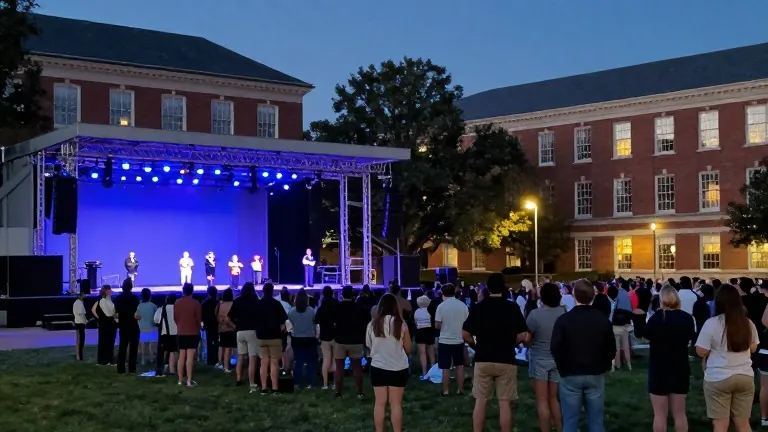
Colom addressed supporters at his victory party at Tougaloo College in Jackson, Mississippi. He acknowledged the difficulty of the campaign, stating, “There were times when I was tired and I felt like I couldn’t keep going, but I kept the faith.” He also noted, “I had the courage to believe in Mississippi. I had the courage to understand that we can show the country that Mississippi matters.”
Hyde-Smith, an ally of President Donald Trump, conceded the race via video released Wednesday night. She had been appointed to fill a vacancy and won a special election in 2018 for her first full term. In her concession, she said, “While this is not the outcome we worked for or hoped for, I respect the decision of Mississippi voters. I want to congratulate Scott Colom and wish him well, as he takes on the tremendous responsibility of representing our great state.”
Only 14 Black individuals have been elected or appointed to the U.S. Senate in history. When the 120th Congress is sworn in on January 3, seven Black senators will serve in the chamber.