El Niño Drives Heavy Rain and Flooding Across Central and East Florida
A super El Niño event is credited with shifting the weather pattern, bringing destructive storms to the peninsula just as the Atlantic season winds down.
By Nicholas Campbell ·
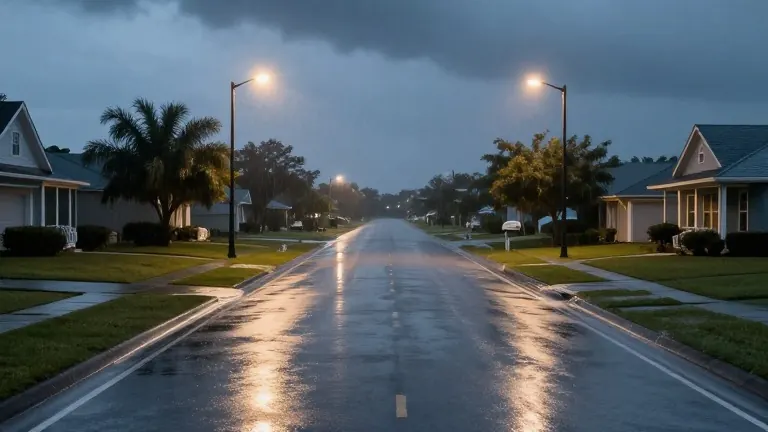
A super El Niño weather pattern is driving the heavy rains that have battered eastern and central Florida this month. The phenomenon, which helped suppress Atlantic storms earlier in the year, is now fueling intense precipitation during what is typically the state's dry season.
The storm systems have caused widespread flooding, forcing the closure of roads and schools. Homes and businesses are inundated, prompting a large-scale emergency response that officials compare to a hurricane. The activity marks a sharp turn from the relatively quiet hurricane season that just concluded.
The six-month Atlantic storm season officially ends on Nov. 30. It produced 10 named storms, with only one reaching hurricane strength. AccuWeather declared the season over on Nov. 9, citing the shift caused by the ongoing El Niño. This change is bringing storm systems to more southerly latitudes than usual.
Mark Wool, a warning coordination meteorologist with the National Weather Service, described the current conditions as payback for the lighter hurricane activity. He noted that the beneficial influence of El Niño on hurricanes is becoming less beneficial. The same displaced jet stream that limited storms is now driving systems across the country to lower latitudes.
The 2026 season saw fewer storms than the average of 14 or 15 named storms. Hurricane Isaias was the only storm to reach hurricane strength and affect Florida. It made landfall near Destin on Oct. 10 with maximum sustained winds of 105 mph. The storm left at least six people dead in Florida and caused more than $735 million in insured losses.
Wool said the current El Niño is the strongest since records began in the 1950s. He expects Florida to be wetter and drearier than normal, with increased threats of rain, flooding, and tornadoes, particularly in the central peninsula. He also predicted fewer arctic blasts will reach the state this winter.
On last Wednesday, Gov. Ron DeSantis expanded an executive order first issued on Nov. 2 to cover 23 eastern and central counties. The order addresses the areas currently inundated by the heavy rains. Wool said he doubts Florida will see snow for a third consecutive year.
More News · Clearwater news · Report a business · Got a Story?