Fortress America: Military 90-Day Self-Sufficiency Plan
Defense Secretary Pete Hegseth’s strategic blueprint aims to keep all U.S. military branches operational for three months during a crisis.
By Valentina Rojas ·
Ninety days. That is the minimum duration every U.S. military department and defense agency must now sustain independent operations under a new strategic plan.
The FORTRESS America initiative, revealed by Defense Secretary Pete Hegseth on September 30, sets a baseline for self-reliance in the event of a conflict. The plan does not signal an immediate threat or an active power cut. Instead, it functions as a preparedness framework designed to ensure the military can fight and win under any circumstances, including during a cyberattack.
Viral social media posts have amplified the timeline, suggesting the nation faces an imminent 90-day blackout. Experts counter that this interpretation misreads the document. Sean Evans, chair and professor of political science at Union University, stated that the goal is to prepare for modern-day attacks. He noted, “We know that more nations are engaging in cyber attacks,” adding that the military needs backup ammunition and a 90-day energy supply if sabotage occurs.
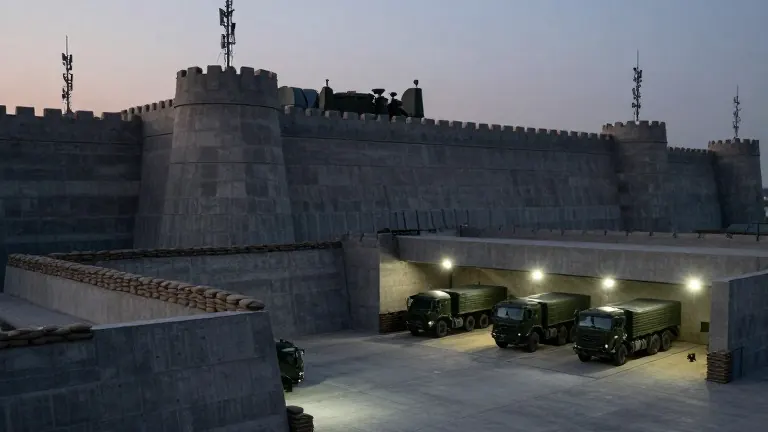
The strategy rests on five pillars: energy independence, supply-chain resilience, a strategic defense reserve, installation hardening, and cyber resilience. It also covers resilience in space and spectrum. Under these guidelines, military units must secure independent access to water, electricity, fuel, and communications for the full 90-day period.
The initiative requires all defense agencies to maintain these capabilities without external support. This shift moves the focus from immediate response to sustained endurance, ensuring that critical military functions continue even if national infrastructure is compromised.