HHS allocates $4.9 million for ibogaine groundwork
The funding will support manufacturing and study design for the psychedelic drug, which remains illegal in the United States.
By Samuel Peterson ·
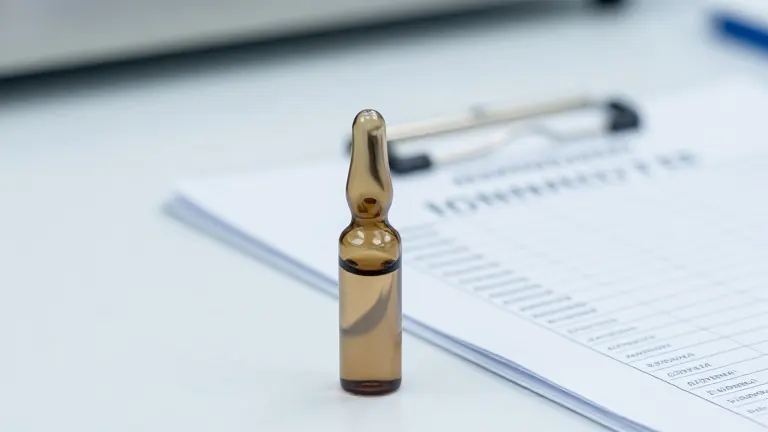
The Department of Health and Human Services will provide up to $4.9 million to prepare for the first clinical studies of ibogaine in the United States. Health Secretary Robert F. Kennedy Jr. announced the allocation on Thursday. The funds are intended to establish the protocols necessary for manufacturing the drug and determining safe doses.
Ibogaine is extracted from a shrub native to West Africa. The substance is currently classified as a Schedule I drug, placing it in the same legal category as LSD and ecstasy. It is known to cause intense hallucinations, nausea, and potentially fatal heart rhythm issues. Despite its restrictive status, veterans and advocacy groups have long argued that the drug offers a viable treatment for post-traumatic stress disorder and opioid addiction.
The federal government plans to use existing data to fast-track the process. Kennedy said the department will receive treatment guidance from Beond Inc., a Texas-based company. Beond has administered ibogaine to more than 3,000 patients in Mexico, where the drug is legal. Kennedy stated that this data would allow the agency to accelerate the clinical trial process and achieve a record drug approval timeline.
Veterans Affairs Secretary Doug Collins joined Kennedy for the announcement. Collins emphasized that the research would prioritize safety and high-quality science. He noted that veterans living with PTSD deserve both urgency and rigorous study. Collins and Kennedy have previously supported the use of psychedelics for mental health conditions, citing the experiences of veterans who seek treatment abroad.
The funding follows an executive order signed by President Donald Trump in April. That directive instructed federal agencies to expedite the review and research of psychedelics for mental health applications. Three other psychedelic applications are currently pending review by the Food and Drug Administration, including treatments derived from psilocybin and MDMA. Decisions on those candidates may be reached within weeks or months.
Ibogaine research has progressed slowly in the U.S. due to safety concerns and limited data. Most available information comes from patients who traveled to countries with lighter regulations, such as Mexico. Clinics in those regions typically charge between $10,000 and $20,000 for a single course of treatment. This process often includes continuous heart monitoring and the presence of emergency medical staff.
The push for ibogaine approval has gained momentum following public discussions by influential figures. Podcaster Joe Rogan said he texted the president about the drug. According to Rogan, Trump replied that he wanted FDA approval for the substance. The White House has not confirmed the specific content of that exchange.