Senate approves 62-33 vote on data center permitting reform
The bipartisan bill aims to lower electricity costs by accelerating approvals for power infrastructure, a move that drew sharp criticism from environmental groups and tribal advocates.
By Nicholas Campbell ·
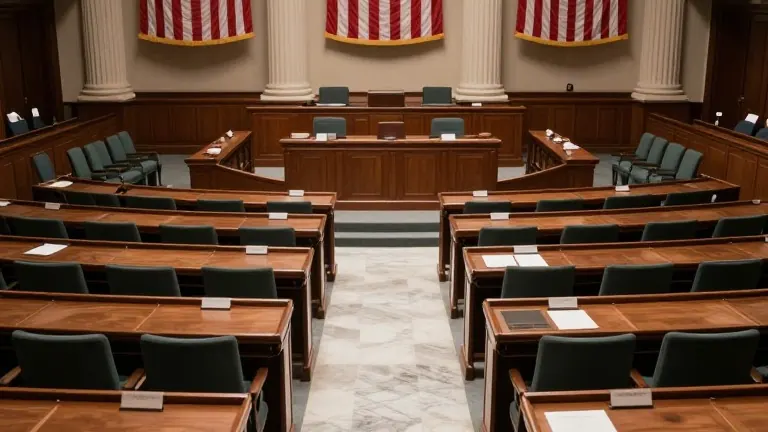
The U.S. Senate voted 62 to 33 on Thursday to pass the Bipartisan American Affordability and Jobs Act, a measure designed to expedite the approval of data centers and power plants. Fourteen Democrats and one Independent joined the majority of Republicans in supporting the legislation, which was drafted by a pair of Democrats and a pair of Republicans. The bill now moves to the House of Representatives for further consideration.
The drive to streamline energy infrastructure has intensified as electricity prices climb. The national cost per kilowatt-hour has increased by more than 6 percent over the last year, outpacing general inflation. Over the past five years, that cost has risen by 39 percent, a trend attributed in part to the heavy power demands of artificial intelligence systems.
Proponents argue the bill addresses a long-standing bottleneck in the construction process. Senate Majority Leader John Thune stated that the legislation would cut through decades of red tape, potentially saving the average household hundreds of dollars annually while improving roads and manufacturing. West Virginia Republican Sen. Shelley Moore Capito, a co-author, described the vote as a major step toward addressing affordability concerns for Americans. Rhode Island Democratic Sen. Sheldon Whitehouse, the other Democratic co-author, predicted that energy bill relief would follow quickly if the House approves the measure.
Opposition centers on environmental and tribal impacts. Major groups including the Sierra Club and the National Wildlife Federation argue the bill weakens environmental accountability. Many Democrats contend it facilitates the approval of oil and gas projects while easing constraints on energy-intensive data centers. Whitehouse noted the bill would require data centers to pay for the power they consume, a point of contention given public pushback against new facilities.
Critics raised specific concerns about tribal rights and clean air protections. Washington Democratic Sen. Maria Cantwell warned on social media against sacrificing the Clean Water Act or tribal sovereignty for faster approvals. California Sen. Alex Padilla echoed these sentiments, stating he supports new energy projects but not at the expense of tribal sovereignty or the state's environment. Oregon Democratic Sen. Jeff Merkley labeled the bill a bad deal, arguing it prioritizes natural gas for data centers while leaving renewable transmission subject to executive obstruction.
President Trump urged Congress to pass the bill in a recent social media post, calling it a big win for U.S. energy independence and dominance. Climate change advocates offer a different view, arguing the bill will help build more solar, wind, and battery projects to meet growing demand.
The House now holds the next step in the legislative process. The bill's final outcome will depend on whether House members align with the Senate's vote or side with the environmental and tribal concerns raised by dissenting senators.