67 million U.S. residents used vacation rentals in 2025
Ruby Home data shows a surge in temporary housing usage, driven by work travel and cost comparisons between city centers and suburbs.
By Valentina Rojas ·
Ruby Home reported that 67 million people utilized vacation rentals in the United States during 2025. This figure reflects a growing preference for temporary accommodation among travelers and remote workers seeking alternatives to traditional hotel stays. The data indicates a substantial shift in how consumers secure short and long-term housing solutions for business and leisure.
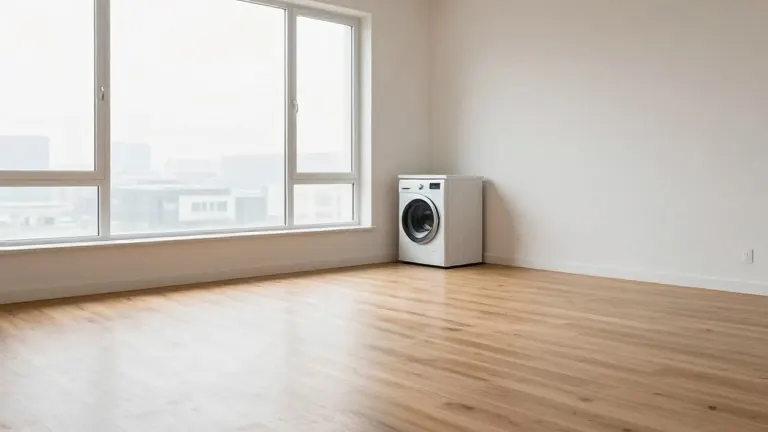
The company notes that the volume of listings across various platforms allows users to filter options based on specific criteria. These filters often include location proximity and required amenities. For example, a traveler might prioritize a washing machine or a fully equipped kitchen. The final price of a stay can fluctuate based on the neighborhood. Urban centers typically command higher rates than suburban locations. Additional services, such as weekly housekeeping, also influence the total cost.
Potential renters have several avenues to secure temporary housing. These include subletting an apartment from a private individual or booking through digital platforms like Airbnb and Vrbo. Corporate employees often use employer-connected platforms to find flexible housing. The available inventory ranges from basic studio units to luxury lofts. This variety accommodates different budget levels and stay durations, from a single weekend to a full year.
Location selection depends on the purpose of the stay. Individuals commuting to a physical work site may prioritize proximity to their job. Those seeking a quieter environment might prefer residential areas. Conversely, people who want access to stores and cafes may choose city centers. Travelers who plan to drive should verify parking availability, which is often more accessible in residential zones. Public transportation reliability varies by city and should be assessed before booking.
Amenity checks are critical for long-term comfort. Furnished apartments eliminate the need to procure basic furniture. However, renters should verify the presence of specific items. These include heating and cooling systems, washer and dryer units, and on-site parking. In some foreign locations, ovens are not standard equipment. Laundry facilities may be in-unit or shared within the building. Summer months generally carry the highest rates, though many providers offer monthly discounts for extended stays.
Cost structures often include a cash damage deposit at check-in. This amount is returned upon checkout if no damages occur. Housekeeping services may be included in the base price or charged as an additional fee. The rental market continues to offer alternatives to hotels for those seeking private kitchens and separate bedrooms.
More Business · Bad Service · Report a business · Got a Story?