Arizona Faced Warnings On Colorado River Shortages
A federal plan for cutting back water use could reduce the amount diverted to the Central Arizona Project by 47%.
By Valentina Rojas ·
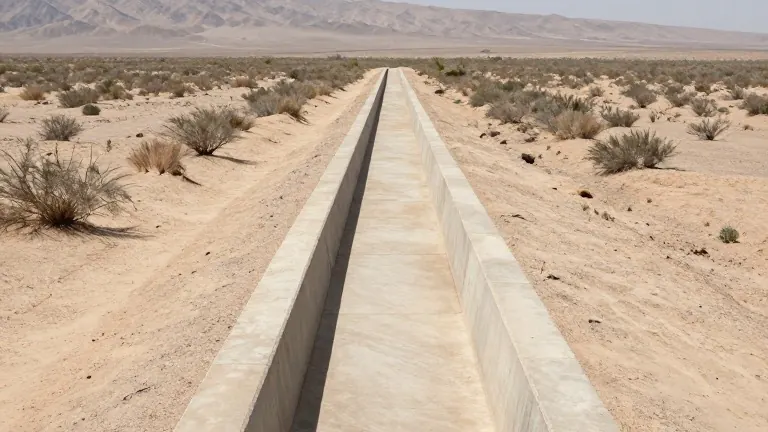
Arizona's canal system faces potential cutbacks this fall under a new federal plan for reducing water use. The proposal has triggered legal action from Nevada, Arizona and the organization operating the Central Arizona Project. The plan could reduce the water allocated to the canal by 47%.
The Central Arizona Project consists of a 336-mile system of canals, pipelines and pumping plants that supplies water to Phoenix and Tucson. Rich Weissinger, who spent nearly 30 years working for the organization that operates the canal, said the system provides a stable water source for municipalities and industry.
The Colorado River provides water to nearly 40 million people across seven Western states. Withdrawals from cities and farms have exceeded the river's supply. The nation's two largest reservoirs have reached record lows.
Warnings about the canal's future date back to the 1960s. Floyd Dominy, then commissioner of the Bureau of Reclamation, forecasted declines in available water between 1990 and 2030. He said supplies would be cut in half during that period.
Dominy attributed the projected decline to growing use in Colorado, New Mexico, Utah and Wyoming. Drought and climate change became the primary drivers of declining supplies in the 21st century. The forecasts about reduced availability were correct.
Congressman Mo Udall testified before Congress in 1968 about the need for additional water sources. He said augmentation of the river was necessary.
Augmentation proposals included a connection between the Colorado and Columbia river systems and desalination facilities on the Pacific Coast. Congress included language in the law authorizing the canal that barred the federal government from studying water transfers from other river systems for ten years.
None of the augmentation proposals were built. Tom McCann, a former deputy general manager for the canal, said cost and political obstacles prevented the projects from moving forward.
Brad Udall, a senior water and climate research scientist at Colorado State University, said his father and uncle could have proposed different solutions. He noted the brothers grew up on a farm in eastern Arizona during the Great Depression.
Farms and ranches use roughly three quarters of all Colorado River water. Chuck Podolak, former director of the Water Infrastructure Finance Authority of Arizona, said augmentation proposals allow policymakers to avoid reallocating water from farms to cities.
Source: WUSF Public Media · original report published
More News · Clearwater news · Report a business · Got a Story?