
Tampa lightning strikes surge in September as El Nino shifts storm patterns
Cloud-to-ground strikes across Florida hit a decade high, with September activity in Tampa more than doubling the long-term average.
By Valentina Rojas ·
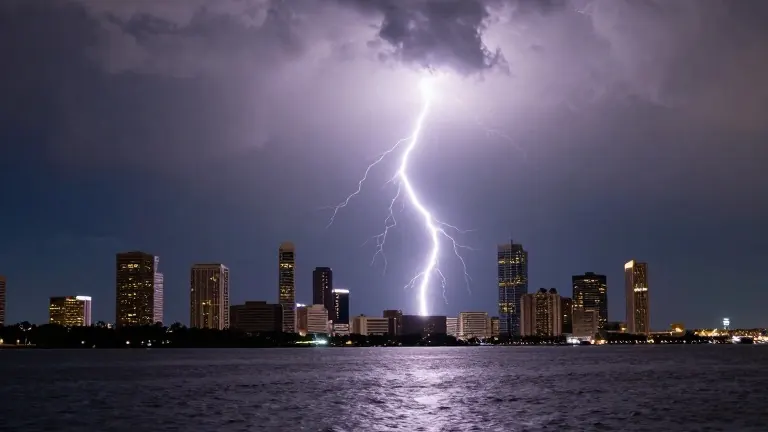
Vaisala Xweather data shows that cloud-to-ground lightning strikes across Florida ranked second-highest for the summer period over the last decade. The total was up approximately 28% from the previous year. September proved to be the most electric month for the state, including Tampa.
In Tampa, the total number of lightning strikes, a combination of in-cloud and cloud-to-ground events, jumped from an average of around 21,200 to nearly 49,000 during September. This represents more than double the typical monthly count. Megan Schaefer, a spokesperson for Vaisala Xweather, noted in an email that the 2026 season was the strongest late season by a wide margin. She observed that activity shifted to August and September, whereas July is usually the peak month.
The increase in lightning activity coincides with Florida leading the nation in lightning-related deaths this year. The National Lightning Safety Council reported seven fatalities in the state. Among the victims was a 31-year-old woman and her two-year-old daughter in South Florida. Locally, a 41-year-old man from Utah was struck while in Fort De Soto Park in late August.
Experts attribute the surge to a combination of extra-warm temperatures and favorable wind directions later in the season. Matt Devitt, a Florida meteorologist, explained that increased heat provides more energy for storm formation. He said that the Atlantic sea breeze was more dominant this summer, leading to classic afternoon and evening storms that historically produce more lightning. Paul Close, a meteorologist for the National Weather Service in Tampa Bay, agreed that while June was dry, easterly flows later in the season favored thunderstorms on the west coast.
Lightning forms when ice crystals, hail, and graupel collide inside thunderclouds, generating electrical charges. A single bolt can heat air to about five times the surface temperature of the sun and carries roughly 300 million volts. This power can vaporize water inside trees, causing them to explode. Suspected lightning strikes caused a fire at USF St. Petersburg’s Marine Science Lab in May and a large apartment fire in Wesley Chapel in August that displaced about 200 people.
Chris Vagasky, a member of the National Lightning Safety Council, stated that there is no obvious single reason for the increase. He noted that researchers have not seen a major long-term trend in U.S. lightning data over the past 30 years. He added that teasing out the impact of human-caused climate change is difficult because lightning is a small-scale phenomenon.
A historic El Niño is currently influencing weather patterns. Devitt expects this El Niño to add more lightning by the end of the year. He warned that El Niño winters often bring higher tornado potential and more severe weather to Florida. This shift in activity comes after a June that was dry and relentlessly hot, which delayed the arrival of consistent thunderstorms.
The rainy season is officially over, but meteorologists say the current El Niño conditions suggest a more active winter. Devitt noted that while the Atlantic hurricane season was mostly muted outside of Hurricane Isaias, a quieter summer often precedes a more aggressive winter. Residents should expect continued storm activity through the fall and winter months.
Source: Tampa Bay Beacons (TBN Weekly) · original report published
More News · Clearwater news · Report a business · Got a Story?