COP31 Drafts Voluntary AI Climate Pledge
The Antalya proposal targets data center emissions but lacks binding rules and US participation.
By Nicholas Campbell ·
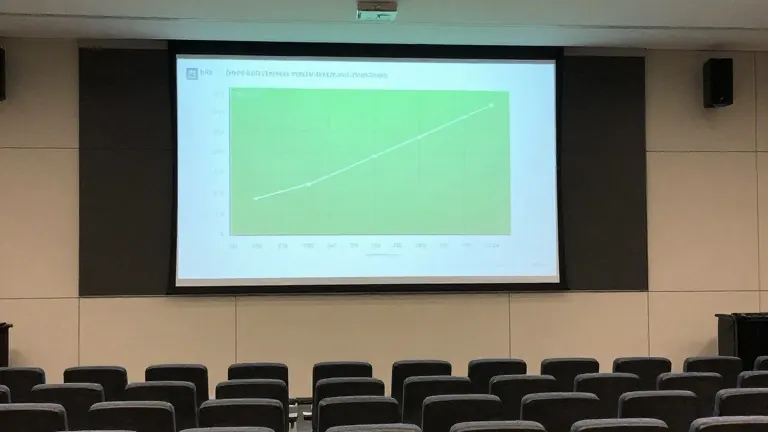
Turkey unveiled the Antalya Artificial Intelligence Pledge on Sunday, a non-binding commitment intended to reduce the carbon footprint of artificial intelligence infrastructure. The document was released ahead of the official launch of the initiative at the UN climate summit in Antalya. More than 190 nations have sent delegates to the thirty-first Conference of the Parties.
The pledge targets the rising energy demand of AI data centers, which currently rely heavily on fossil fuels. It calls for these facilities to shift toward clean energy sources and establishes international standards for sustainable development. The text also requires greater transparency through mandatory reporting on environmental impacts.
A central feature of the proposal addresses electronic waste from the generative AI boom. The document suggests that managing this growing volume of discarded hardware is a necessary component of the solution. It also proposes using generative AI tools to help developing nations build renewable energy systems and cut greenhouse gas emissions.
The commitment is explicitly voluntary and non-prescriptive. The text states that it creates no new obligations for signatories. Countries will implement the guidelines based on their own national circumstances, allowing them to decide whether or not to follow the suggested measures.
The United States is absent from the negotiations despite hosting the largest number of data centers in the world. President Donald Trump withdrew the nation from the global climate accord. No official US delegates are present in Antalya to formally endorse the pledge, leaving the sector's biggest player outside the process.
Researchers have questioned the net environmental benefit of using AI for climate action. A study published in a Nature journal in August found that AI currently generates more carbon emissions by boosting fossil fuel production than it saves through renewable energy efficiency. Critics describe the voluntary nature of the pledge as a symbolic gesture that may not be enough to curb the industry's rapid expansion.
The summit continues in Antalya as delegates seek to bridge the gap between technological growth and environmental stewardship. The final version of the pledge will be formally adopted later this month.
More World · National news · Report a business · Got a Story?