Moscow vows ship seizures after detentions
Sergei Lavrov accused Europe of piracy following the detention of the tanker DF Peak in the Indian Ocean.
By Samuel Peterson ·
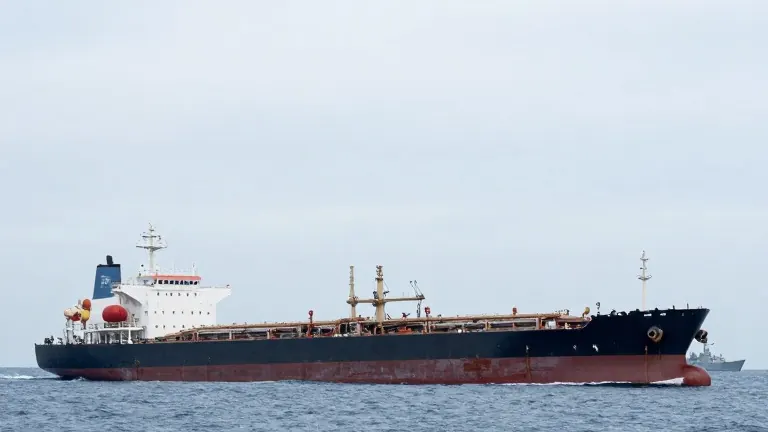
Russian Foreign Minister Sergei Lavrov announced that Moscow will implement retaliatory measures in response to Western nations seizing vessels linked to Russia's so-called shadow fleet. Lavrov described the European Union as a military alliance engaging in the open seizure of foreign vessels and the theft of their cargoes.
The Russian diplomat argued that European countries invented the term shadow fleet, a concept absent from international law, alongside an oil price cap that limits European corporate dealings with Russian ships. He stated that a policy of pressure and dictation would trigger a mirror and asymmetric response from Russia.
Western nations intensified their interception of vessels transporting Russian oil at the start of 2026. France, Sweden, the United Kingdom, and other states participated in these efforts. Interceptions occurred in the Baltic and Mediterranean seas as well as the Indian Ocean.
France’s navy recently detained the sanctioned tanker DF Peak in the Indian Ocean. The Benin-flagged vessel was en route to a port in Chile and marked the sixth tanker France has detained over the past year. The ship belonged to the Russian shipping company Sovcomflot, underwent two name changes, and is operated by a Hong Kong-based company.
The Russian Embassy in France labeled the detention of the DF Peak as piracy and a gross violation of international law. This incident follows a Swedish court ruling that recognized the arrest of the cargo vessel Caffa in the Baltic Sea as lawful. That vessel was permitted to be transferred to Ukraine as part of an investigation into grain removal from Russian-occupied territories.
Ukrainian Defense Intelligence previously identified 28 vessels in Russia's shadow fleet and published their captains' names to reduce anonymity in shadow logistics. Reports indicate Russia has quietly expanded its gas carrier fleet to 25 vessels by adding second-hand ships and its first domestically produced tankers.
Russian and Iranian fleets have continued using forged websites to create fake documents and simulate ship registries. These tactics aim to bypass international sanctions during oil exports by mimicking African state maritime administrations and organizations of seafarers. The European Union recently authorized military personnel in the Mediterranean, involved in Operation IRINI, to inspect tankers suspected of carrying Russian oil.