
Israel's Crime Figures Back Ra'am, Golan as Prison Turnout Hits 88.7%
Associates of prominent underworld figures disclosed their election preferences on Wednesday, the same day Israeli detention facilities reported near-90% turnout among eligible prisoners.
By Samuel Peterson ·
Associates of several prominent organized crime figures in Israel disclosed their political preferences on Wednesday, the day voters went to the polls, pointing to support for the Arab parties Ra'am and the Joint List as well as left-wing politician Yair Golan.
Sources close to the Jarushi family, linked to one of Israel's major crime organizations, said the group backs Ra'am and the Joint List. Associates of Eitan Hiya said his preference is Yair Golan, a leading figure on the Israeli left.
The disclosures came through conversations with Walla on Wednesday, and the information comes from associates rather than the individuals themselves. The accounts do not establish how those people voted behind the booth curtain.
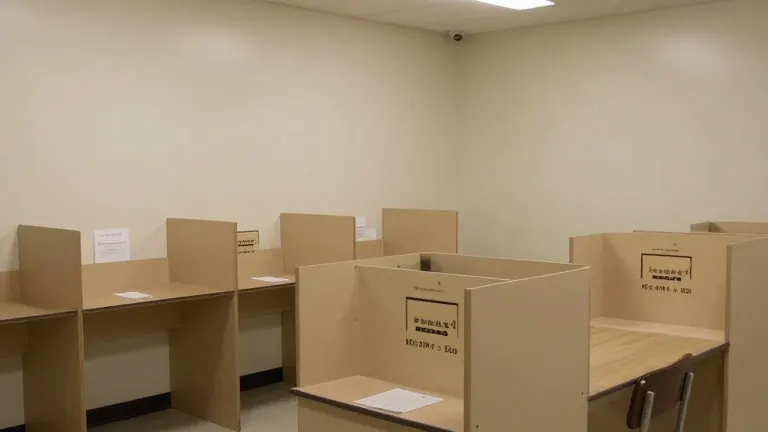
Voting at detention facilities ran until 8 p.m. Wednesday. The Israel Prison Service reported 88.7% turnout among eligible prisoners and detainees, with preparations led by IPS Commissioner Kobi Yaakobi and coordination with the Central Elections Committee. Judges and official observers visited facilities through the day, and balloting was conducted by secret ballot under security measures.
Israel's Law for the Protection of the Public from Criminal Organizations took effect at the end of 2024. It lets courts impose restrictions on people operating within criminal organizations without a formal indictment when strict legal conditions are met. Courts can order individuals to stay away from certain areas, confine them to their homes, bar contact with specified people, or add other restrictions. The law is intended to give authorities tools to prevent serious harm to public safety when criminal proceedings cannot achieve that aim, while minimizing infringement of individual rights.
Membership in a criminal organization does not remove the right to vote, and ballots cast by eligible prisoners and detainees count the same as any other citizen's. The Knesset voters help determine will decide what legal tools the state can use against organized crime.
Political preferences among those linked to criminal syndicates do not follow one pattern. Affiliation with a particular family or organization does not mean its members vote alike.
Source: The Jerusalem Post