Netanyahu’s bloc faces 11-seat deficit in bid for 38th government
Voters in Israel choose among 36 lists for 120 Knesset seats, with exit polls expected to reveal if the ruling coalition can secure a majority.
By Nicholas Campbell ·
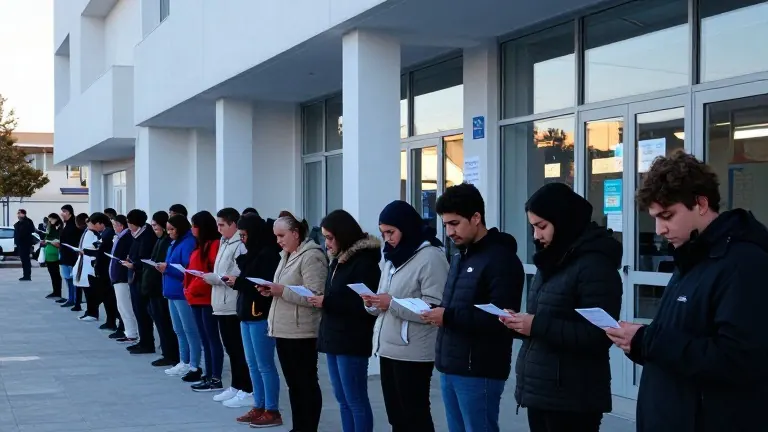
Polls opened at 7 a.m. local time on Tuesday for the first parliamentary election since the October 7, 2023 attacks. The vote will determine the composition of Israel’s 38th government and test the stability of the current administration.
Thirty-six electoral lists are competing for 120 seats in the Knesset. Prime Minister Benjamin Netanyahu leads a coalition of right-wing, far-right, and ultra-Orthodox parties that took office in December 2022. This bloc became the first Israeli government since 1988 to complete a full four-year term.
Despite the historical duration of the current term, recent polling suggests the coalition may fail to secure a parliamentary majority. Projections place the Netanyahu bloc at approximately 50 seats, which is 11 seats short of the 61 required to form a government. This deficit creates uncertainty over whether the incumbent can retain power without forming an unexpected alliance.
Gadi Eisenkot, a former military chief and leader of the Yashar party, has emerged as the primary challenger to Netanyahu. Polls currently place Eisenkot’s party ahead of Netanyahu’s Likud party. However, neither the opposition camp nor the incumbent bloc is projected to achieve a majority on its own, forcing both sides to seek additional partners.
Palestinian-led parties are expected to win between 14 and 16 seats combined. Both major political camps have ruled out including these parties in a governing coalition, yet their numbers may provide leverage during government formation. Palestinian citizens constitute approximately 18 percent of eligible voters, a group totaling about 1.17 million people.
Early reports from Palestinian-majority towns indicated high turnout on Tuesday morning. Pollsters estimate that turnout among Palestinian citizens could reach 60 to 70 percent, a sharp increase from the 53 percent recorded in the 2022 election. This shift could solidify the projected seat gains for the Ra’am and Joint List parties.
Voting closes at 10 p.m. local time. Israeli television channels are scheduled to broadcast exit polls at that time, with unofficial results expected to emerge overnight. The full count is due by October 30, and official results will be announced on November 4.
Source: Middle East Eye