Ohio Senate flip gives Democrats a foothold in a state they had written off
Sherrod Brown defeated Jon Husted in a special election, securing the seat for the party and reversing a decade of rightward shift in the state.
By Samuel Peterson ·
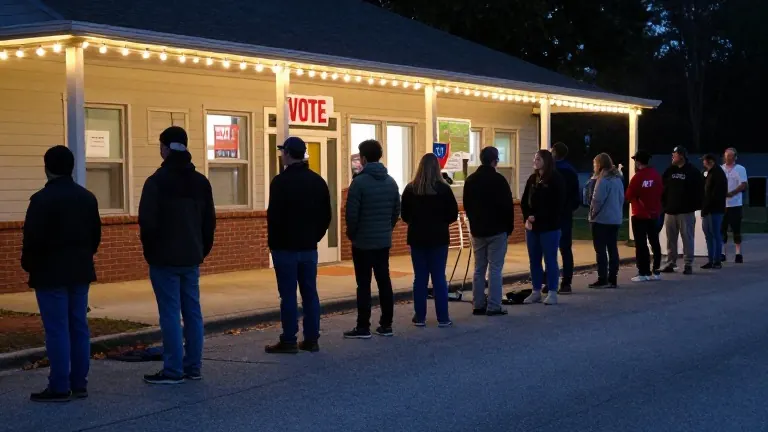
Ohio was widely considered a lost cause for Democrats, but the state's electorate surprised analysts on Tuesday by electing Sherrod Brown to the U.S. Senate.
The former senator defeated incumbent Jon Husted in a special election, flipping a seat that Democrats viewed as essential for retaking control of the chamber. The victory breaks a streak of Republican dominance in the state, which had moved sharply to the right over the past ten years.
The campaign cost more than $500 million, making it one of the most expensive races in the nation. Brown attacked Husted over his support for artificial intelligence data centers and his financial ties to Les Wexner, a billionaire retail executive who once employed Jeffrey Epstein. Husted, in turn, argued that Brown was outdated and too liberal for the state's voters.
President Donald Trump campaigned heavily for Husted, visiting the state multiple times. The president focused on Husted's physical appearance, promoting the former college football player as a more attractive candidate than Brown. Despite this endorsement and ads from technology companies promoting data centers, the strategy did not secure the win for the Republican.
Brown, 73, has spent five decades in politics. He lost his own Senate seat two years ago to Bernie Moreno but returned to the fray for this special election. His victory allows him to serve the final two years of the term originally won by JD Vance in 2022. Husted, 59, was appointed to the seat when Vance became vice president last year.
Polling data suggests Brown enjoyed a distinct advantage in voter perception. The AP Voter Poll found that about half of Ohio voters held a favorable view of Brown, compared to roughly four in 10 who felt the same about Husted. Most voters also viewed Husted as too supportive of Trump, while fewer than half considered Brown too extreme.
Brown made substantial gains among younger voters. According to AP VoteCast, about seven in 10 voters under the age of 30 supported Brown this year, up from about half in 2024. He also captured roughly two-thirds of moderate voters, an increase from about six in 10 in the previous cycle.
The race featured no political newcomers, a departure from recent trends where outsiders like Moreno and Vance won with Trump's backing. Both candidates had long records in public office that the other side exploited. Brown's team aired footage of Husted testifying in the criminal trial of two former FirstEnergy executives, despite Husted not being accused of a crime in the $60 million bribery scandal. Husted's campaign highlighted Brown's vote for the 2008 bank bailout to portray him as beholden to Wall Street.
Husted donated all remaining funds from Wexner in his political accounts to an anti-sex trafficking charity. Brown used the donations to question the Republican stance on releasing the Epstein files. Husted conceded in an emotional speech, urging Americans to fight for the nation's founding ideals. Brown pledged to work for Ohioans rather than utility companies or Wall Street.