South Carolina Ballots Close: Key Races Decide State and Senate Seats
Voters selected a new governor and Senate candidate in a state with a tight legislative balance.
By Nicholas Campbell ·
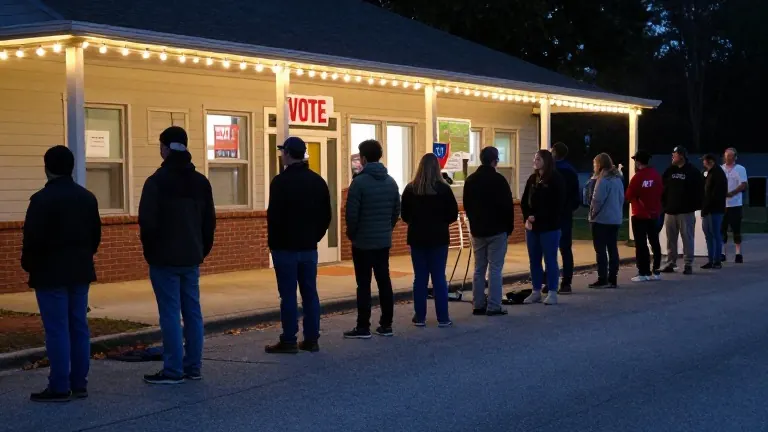
Polling stations in South Carolina shut their doors at 7 p.m. on Tuesday, Nov. 3, for the 2026 general election.
Voters cast ballots in a state that has not elected a governor since 2017. Outgoing Gov. Henry McMaster reached his term limit, forcing a replacement. Republican Alan Wilson defeated Lt. Gov. Pamela Evette in a runoff to secure the party nomination. Wilson now faces Democratic nominee Jermaine Johnson in the general election. The outcome will determine which party controls the state’s executive branch for the next four years.
The race for the U.S. Senate seat carries national weight following the death of Sen. Lindsey Graham this summer. President Trump appointed Graham’s sister, Darline Graham, to serve the remainder of his term. Darline Graham won the Republican nomination after a primary runoff. She will challenge Democrat Dr. Annie Andrews in November. This contest determines which party holds the seat through the next midterm cycle.
One U.S. House district is also up for grabs. Incumbent Nancy Mace, a Republican, sought the governor’s office instead of a fourth term in Congress. Republican Jenny Costa Honeycutt and Democrat Nancy Lacore compete for the open seat in the 1st district. A change in this district could shift the balance of power in the House of Representatives, where margins are often narrow.
Voters who voted by mail had a strict deadline. County voter registration offices had to receive completed absentee ballots by 7 p.m. on Election Day for them to count. Those who missed the mail deadline could still vote in person if they were in line when polls closed.
State law required voters to present a specific form of photo identification. Acceptable forms included a South Carolina driver’s license, a DMV ID card, or a federal military ID. A U.S. passport and a concealed weapons permit also qualified. Voters without photo ID could cast a provisional ballot. That ballot counts only if the voter presents acceptable identification to the county elections office before the certification of the election on Friday.
Voters with a non-photo voter registration card could also vote provisionally by signing an affidavit stating a reasonable impediment to obtaining photo ID. The state will certify the results on Friday, Nov. 6, after all provisional ballots are reviewed.