Opium crops surge in Taliban-run Afghanistan
The U.N. reports a 330% jump in poppy fields, blaming deepening poverty for the return of the banned crop.
By Valentina Rojas ·
A fourfold jump in opium production has upended the Taliban's four-year ban on drug crops, according to a new United Nations report. The agency says the surge is the largest increase recorded since the interim government took power in 2021, signaling that the ban is straining the country's agricultural economy.
The timeline of the ban reveals a rapid shift in policy. The Taliban seized power in Kabul in August 2021, pledging to eliminate the country's role as a global heroin source. By April 2022, they had enacted a formal prohibition on poppy cultivation. For two years, the measure held, but the latest data shows the ban is losing ground.
The United Nations Office on Drugs and Crime stated that cultivation expanded to more than 43,000 hectares in 2026, up from 10,000 hectares in 2025. That represents a 330% increase in planted area. Production rose by 400% over the same period. Although these figures remain below pre-ban levels, the agency noted this is the highest growth rate since the restriction began.
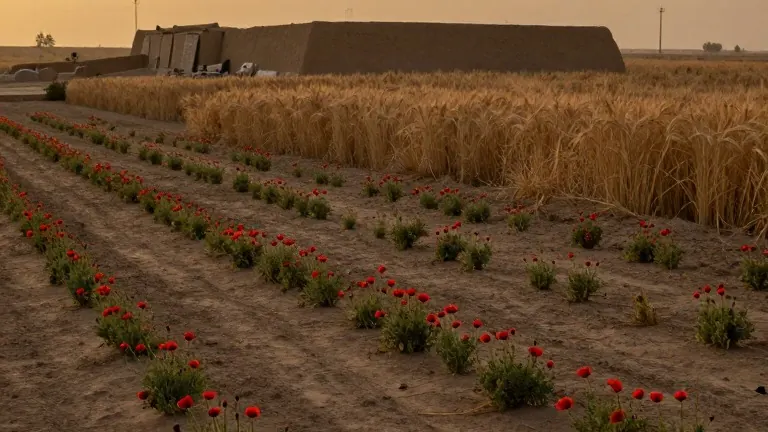
Farmers are adapting to the ban by hiding their crops. The report indicates that growers are planting small poppy plots inside cereal fields or within walled compounds to avoid detection. The agency attributed this shift to deepening poverty, which has left many families with no other option to feed themselves.
Monica Juma, the executive director of the U.N. agency, called the increase a sign of the difficulty in keeping illicit crops low when farmers lack alternatives. She said, "The fourfold increase in opium poppy cultivation shows the difficulty in sustaining decreases in illicit opium cultivation when poor farmers have no alternatives to feed their families." Juma urged the international community to invest in farming infrastructure and market access.
The Afghan government is pushing back against the idea that it is solely responsible for the rise. Foreign Minister Amir Khan Muttaqi described the fight against narcotics as one of the administration's greatest achievements on Tuesday. He stated that the issue is a "shared responsibility" and that security measures must be paired with support for alternative livelihoods and addiction treatment.
The U.N. agency said it will continue monitoring the situation. It noted that it is too early to determine if the current increase is temporary or the start of a long-term resurgence in production.
Source: Greenwich Time