
Parkinson's patient regains carving skills
Bill Daggett underwent deep brain stimulation to stop tremors that prevented him from working with wood.
By Samuel Peterson ·
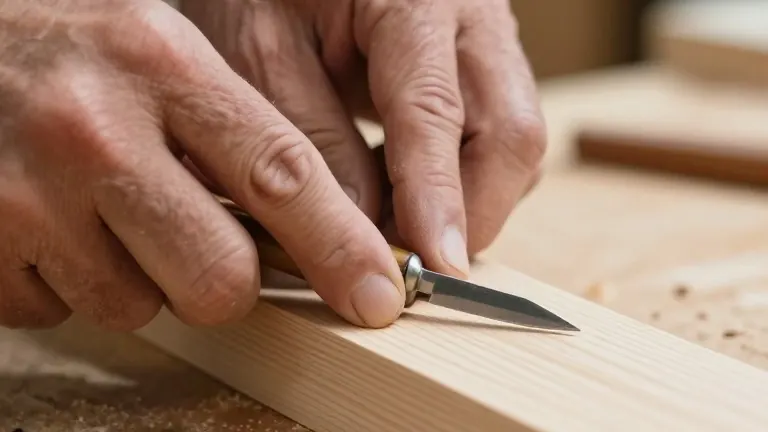
Bill Daggett has returned to woodcarving in Phoenix, Ariz., after receiving deep brain stimulation surgery. The Arizona artist had developed Parkinson's disease, a condition that caused severe tremors and eventually halted his creative work. A physician who noticed Daggett shaking at an art show recommended he seek a medical evaluation, leading to his diagnosis.
Daggett described the physical and emotional toll of the disease before the procedure. "I couldn't even eat, hardly. I was shaking so bad, and I didn't want to go out anymore. That's part of the depression. You don't want to be seen when you can't hold a fork and get it to your mouth," he said. The tremors were severe enough that standard medication did not provide adequate relief, prompting the move to a more invasive therapeutic option.
Deep brain stimulation involves sending electrical pulses to specific areas of the brain to manage symptoms. Sam Cradduck, a gerontologist and host of the program "Aging Untold," explained the mechanism by comparing it to a cardiac pacemaker. "What they did was basically give his brain a pacemaker. You know, we're kind of accustomed to the thought of a pacemaker helping a heart keep rhythm. But this is a new way to go in and help that brain reset and send those electrical pulses out to give the brain the pacemaker to now reduce those tremors, reduce some of the side effects of the disease and the progression of it," Cradduck noted.
The procedure has stabilized Daggett's hands, allowing him to carve again. Cradduck characterized the therapy as a breakthrough for patients who have lived with the disease for years. "We talk about the physical aspects of disease and aging all the time, but we forget to talk about the emotional loss, and that's where this guy was at. He was so connected with being the artist and being able to create, and the disease was robbing him of that. We see that it's robbing him of physical abilities maybe to eat, but we forget that it's robbing him of a piece of himself," Cradduck said.
The case illustrates how advanced neurological interventions can restore daily functions and professional identities. For Daggett, the surgery addressed both the mechanical difficulty of holding tools and the psychological impact of losing his craft. The treatment aims to slow the progression of symptoms and reduce the side effects associated with the disease.
The program notes that the information is provided for educational and informational purposes only. It does not constitute medical advice or professional services. Individuals with health concerns should consult a licensed physician for personal medical advice and should not rely on this information for diagnosing or treating a health problem.
Source: WALA-TV