Unseasonal Snow Covers Alpine Resorts as Temperatures Drop Sharply
Bureau of Meteorology data shows apparent temperatures in major cities falling below 13 degrees Celsius on Saturday, with snow recorded at three major ski fields.
By Valentina Rojas ·
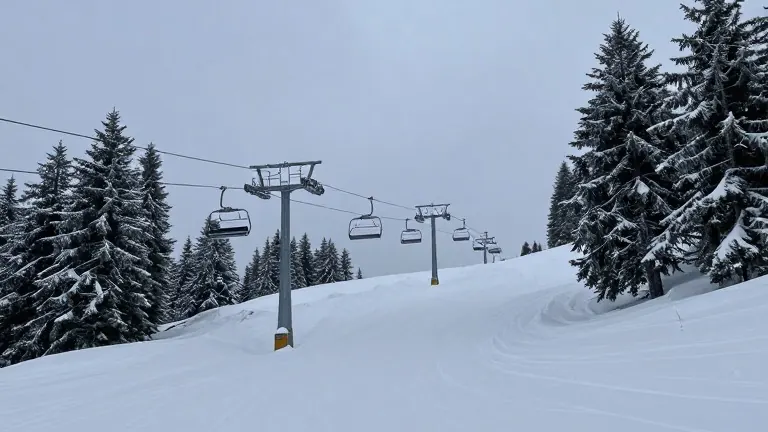
Spring weather in Australia's south-east took an abrupt turn cold this week as snow accumulated across highland regions. The shift disrupted standard seasonal patterns and drew attention to the sharp disparity between actual readings and forecast maximums.
Thredbo, Perisher, and Mount Hotham all recorded snowfall during the event. Snow also fell on Kunanyi/Mount Wellington in Hobart. The Bureau of Meteorology (BoM) had predicted the precipitation, noting that similar conditions occurred in November 2022. Social media activity increased as residents documented the unusual conditions.
Madeleine McVie, a retail manager at Thredbo, posted video on Instagram on Saturday afternoon showing active snowfall. She described the event as fully snowing rather than a light dusting. On Sunday morning, she shared footage of riding empty chairlifts through the park while the snow continued to fall. In Tasmania, the Kingston Crows cricket club shared an image of the Kingston Beach Oval covered in hailstones on Saturday.
The BoM attributed the chill to a weather system moving cold air north from Antarctica. South-westerly winds further reduced the apparent temperature. At midday on Saturday, Adelaide, Melbourne, Hobart, Canberra, and Sydney all registered feels-like temperatures below 13 degrees Celsius. Adelaide recorded the highest actual temperature at 17.5 degrees Celsius, which felt like 12.3 degrees Celsius. Canberra recorded the lowest apparent temperature at 5.3 degrees Celsius, despite a maximum reading of 12.9 degrees Celsius.
Cities in the north experienced warmer conditions. Brisbane, Perth, and Darwin recorded temperatures in the 20s or 30s during the same period. The BoM forecasts warmer weather for Monday, with all capital cities expected to reach at least 20 degrees Celsius by Tuesday.
The BoM and the United Nations have warned of the likely effects of a supercharged El Niño. The climate crisis is already intensifying extreme weather events. The El Niño is expected to further alter weather patterns. The southern hemisphere summer is predicted to be hotter and drier as a result, increasing the risk of wildfires and droughts in Australia and southern Africa.
More Business · Bad Service · Report a business · Got a Story?