COP31 Opens With Global Warming At 1.4 Degrees Celsius
Negotiations in Antalya aim to address energy shocks and implementation gaps as the U.S. remains absent from the talks.
By Nicholas Campbell ·

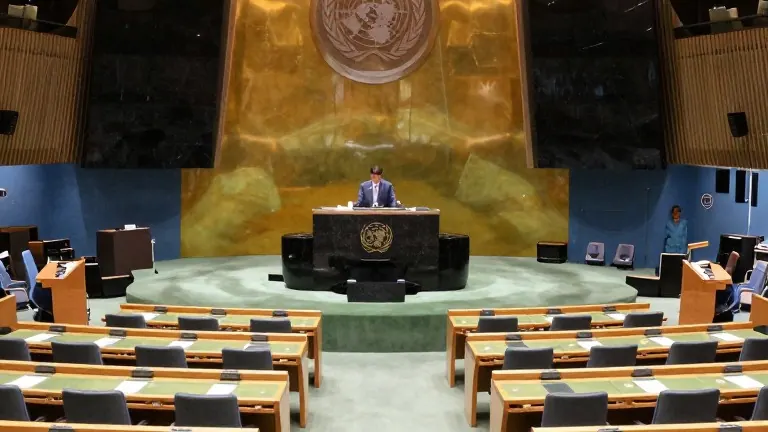
Climate negotiators began the 31st Conference of Parties in Antalya, Turkey, amid a collision of rising temperatures, energy price volatility, and geopolitical conflict. The conference opens as the world confronts the reality that global heating is outpacing previous projections. While leaders gather to discuss policy, the physical evidence of climate change continues to mount, creating a tense backdrop for discussions on fossil fuel reliance and financial support for developing nations.
The numbers defining this session are stark. The United Nations adjusted its long-standing target for limiting temperature rise to 1.5 degrees Celsius, acknowledging that the world is exceeding that threshold. Current data shows the planet has already warmed by 1.4 degrees Celsius above preindustrial levels. Projections indicate a trajectory toward 2.6 degrees Celsius by the end of the century. Copernicus, the European climate agency, announced that 2026 is virtually certain to be the second year exceeding the 1.5 degree limit, following 2024. October 2026 was recorded as the hottest October in history.
Key figures are navigating these challenges from different institutional positions. David Waskow, international climate chief at the World Resources Institute, described the moment as a time to examine both the successes and failures of global climate action. Niklas Höhne, co-founder of Germany’s NewClimate Institute, pointed to the absence of the United States as a major complication. Höhne noted that the U.S. is the largest historic carbon polluter but is not expected to participate this year, leaving a gap in leadership on emissions and funding. "There’s always two topics in the climate negotiations that are relevant and difficult," Höhne said. "The first one is who produces emissions (and) how much. That is difficult enough. But what is even more complicated is the other issue, and that is who pays."
The economic stakes are high as nations balance energy security with environmental goals. The closure of the Strait of Hormuz following the conflict between the United States, Israel, and Iran has sent fossil fuel prices soaring. This shock has forced many countries to rethink their energy systems. Turkey is pushing a plan to increase the share of electricity in global energy use from 21 percent to 35 percent by 2035, largely through solar and wind power. Negotiators are also tasked with finalizing how promised funds will reach poorer countries for adaptation and recovery from climate-induced damage.
The implementation of fossil fuel phaseouts remains a central point of contention. Brazil released a detailed voluntary roadmap this month for transitioning away from these fuels, aiming to break down the challenge into actionable solutions. Ana Toni, who served as CEO of last year’s climate talks, emphasized the need to stop subsidizing fossil fuels, a practice the United Nations estimates cost the global economy $1.1 trillion this year. Harjeet Singh, founding director of Satat Sampada Climate Foundation, argued that avoiding the fundamental question of fossil fuels has led to the current breach in temperature limits.
Youth activists and observers express mixed feelings about the progress being made. Qiyun Woo, a Singaporean environmentalist, stated that her generation is weary of witnessing present and future landscapes covered in wildfire smoke and flood damage. Meanwhile, Mohamed Adow, director of Power Shift Africa, said the conference occurs in a deeply fragmented world. He noted that the absence of the U.S. creates an unfair burden for nations like Nepal, which face catastrophic destruction without the support of the world’s wealthiest country.
The conference will continue with speeches from world leaders and detailed negotiations on financial mechanisms. The final documents will reflect the consensus reached by the 197 parties involved, though many key initiatives are already taking shape in sideline discussions where full agreement is not required.