Cash for Commuters: Cities Compete for Remote Workers
Municipalities from Maryland to Oklahoma are deploying six-figure budgets to lure digital nomads, with Tulsa claiming over 3,500 participants in its decade-old initiative.
By Nicholas Campbell ·
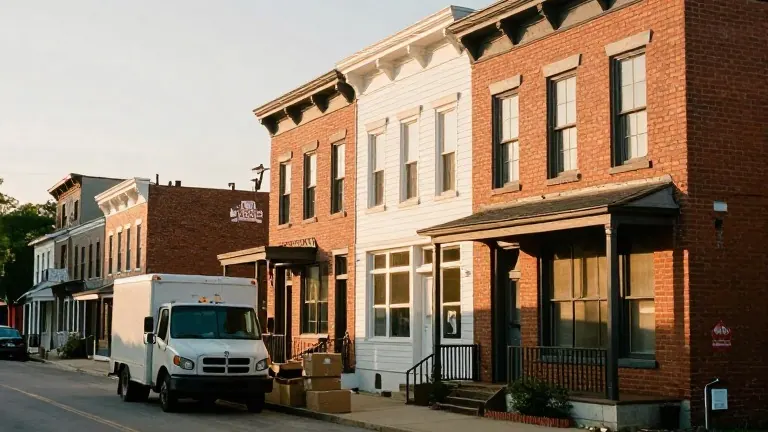
Cumberland, Maryland, is paying $20,000 to anyone willing to uproot their life and move in. The Appalachian city launched a pilot program called Choose Cumberland to halt a decades-long population decline. The offer splits the cash into two parts: $10,000 in direct relocation funds and another $10,000 for a home down payment or approved renovations. The city limits the pilot to ten recipients, requiring each to establish Cumberland as their primary residence for at least five years.
The urgency stems from the local economy’s collapse. Cumberland’s population fell from more than 40,000 residents to fewer than 19,000 following the closure of major manufacturing employers starting in the 1970s. Mayor Ray Morriss said the city is targeting individuals who can work from anywhere. “The people we are trying to entice are the people who are bringing their jobs with them,” he said. The city sits roughly 130 miles from Washington, D.C., a distance that makes it a viable remote hub for those employed by East Coast firms.
Tulsa, Oklahoma, has been running a similar initiative since before the pandemic. The program, known as Tulsa Remote, pays participants $10,000 to rent or buy a home in the city. Justin Harlan, the managing director of Tulsa Remote, stated the project began as an experiment to diversify a labor force historically tied to the oil and gas sector. The program started with approximately 70 participants in 2019. It has since expanded to more than 3,500 people.
Tulsa Remote requires only one year of residency, but Harlan reports a 90% retention rate beyond that initial period. Since 2019, 75% of participants remain in Tulsa. The team meets with every new resident within their first 90 days to integrate them into the community. Harlan said they work to understand what participants want from their commitment and help them plug into local networks.
Faith Langevin moved from Atlanta to Tulsa in 2022. She and her husband, both remote workers, each received the $10,000 incentive. Langevin cited the lower cost of living and the social opportunities as key factors. “I was looking for a place to move, looking for a lower cost of living, and that $10,000, there was that financial incentive and then what made it stand out was the social component,” she said. When asked if she had regrets three years later, she replied, “Absolutely not! This is really home!”
Academic researchers are tracking these trends. Evan Starr, an associate professor at the University of Maryland’s School of Business, studied Tulsa Remote as an early mover in the market. He noted that cities need to retain workers beyond the initial payout window. “You don’t want people only coming to your area for the money. They might come and just take the incentives and then as soon as any restrictions are up, then they might leave,” Starr said. He believes remote work has permanently opened up geographic mobility, freeing employees from physical proximity to their employers.
Local businesses in Cumberland are adapting to the influx. Gino Giatras has operated a hot dog shop in the city since 1918. His family welcomes the new residents. “The reason I love it is because of the people, the weather, the activities,” Giatras said. The city continues to monitor the pilot program to see if the cash incentives produce long-term demographic stability.
The website Make My Move lists more than 100 U.S. locations currently advertising cash offers to potential new residents. These programs vary in size and requirements, but all aim to capture the economic activity of remote employees. As cities compete for these residents, the financial stakes continue to rise.
Source: KPTV
More Business · Bad Service · Report a business · Got a Story?