Cornell Faculty Vote on No-Confidence Resolution by Nov 6
The vote follows a heated meeting where professors debated the university's handling of a 2024 gang rape case and rejected a motion to delay the decision until an independent inquiry concludes.
By Samuel Peterson ·
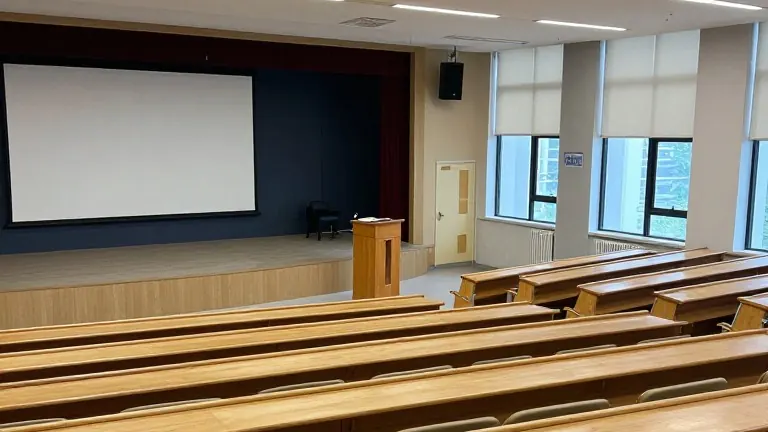
Cornell University faculty will decide by November 6 whether to strip their administration of confidence regarding the handling of a high-profile sexual assault case. The decision comes after a contentious closed-door meeting on Wednesday where professors debated the university's response to a 2024 allegation involving seven male students at a fraternity house. The vote is largely symbolic but could pressure the board of trustees, which selects the university's leadership, according to the Associated Press.
The dispute centers on a woman who reported she was drugged and raped by at least seven men at a Chi Phi fraternity house in October 2024. She is a former Cornell student who left the university following the incident. New York prosecutors reopened the criminal case last month after the woman filed a civil lawsuit naming her alleged attackers. All seven men deny the claims.
Backlash against the university intensified when its internal inquiry resulted in only two expulsions. The other accused students received punishments including essays, workshops, or short suspensions. This outcome triggered mass campus protests and a letter this week from 20 female science and engineering faculty members calling for President Michael Kotlikoff to resign.
At Wednesday's meeting, faculty members argued over the timing of the vote. Some urged patience to allow an independent investigation to finish, while others argued that years of institutional failure demanded immediate action. After at least an hour of debate, the faculty voted down a motion to delay the electronic vote until that investigation was complete.
The meeting featured emotional testimony from professors who shared their own experiences with harassment. Beth Frances Milles, a performing arts professor, pleaded for civility among colleagues. She noted that she had received messages from women who experienced sexual assault, including former classmates. "I understand we have to take action," Milles said. "There are so many things to talk about. Please, let’s talk about it together and not sneer at each other when we disagree."
Anne Marie Brady, a co-sponsor of the resolution, said the breadth of participation was encouraging despite the risks of speaking out. As a contingent faculty member, she described the professional dangers of public criticism. "The more people who speak out, the more we protect each other," Brady told reporters after the meeting.
Ariana Kim, a music professor, shared her history of sexual harassment and bullying, noting that it affected her tenure case. She said her attempts to get help from administrators, including President Kotlikoff when he served as provost, went nowhere. Kim expressed relief and pride at having spoken publicly, saying, "It’s hard to get up and do that on a number of levels."
Not all faculty supported the immediate vote. Economics professor Seth Sanders said his department was about 80% opposed to the resolution for now. He argued that faculty did not yet know enough to judge the administration's response. "I don’t think setting it up as having confidence in the administration or supporting the administration is right," Sanders said. "I think it’s legitimate to think that you don’t know whether to have confidence because you don’t know what happened or why in the Jane Doe case."
The woman in the case, identified in court documents as Jane Doe, recently wrote to the campus faculty senate. She stated she felt "unsupported and disbelieved" by the university president. A New York state judge ruled this weekend that she could continue to use the pseudonym Jane Doe in the ongoing lawsuit due to safety concerns.
Governor Kathy Hochul appointed New York Attorney General Letitia James as special counsel to investigate the case earlier this month. The faculty vote will run through November 6. The university is located in Ithaca, New York.
Source: The Guardian