England launches mandatory scoring system for sick children in A&E
The National Paediatric Early Warning System requires staff to log vital signs to flag deteriorating patients before winter demand peaks.
By Samuel Peterson ·
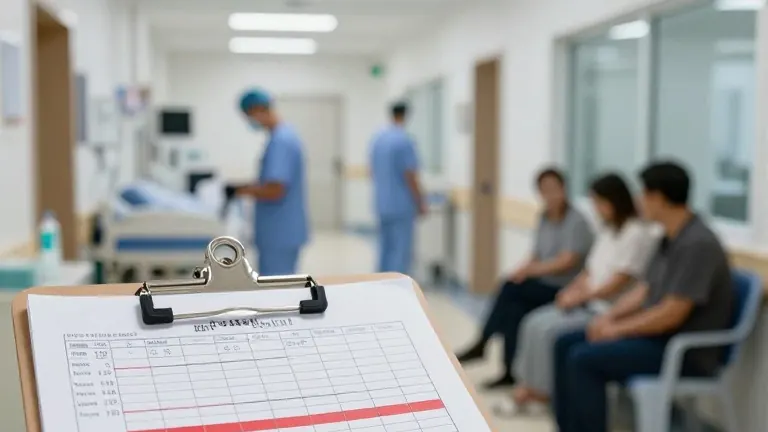
More than 90 hospitals in England are already using the National Paediatric Early Warning System, or PEWS, to monitor vital signs in children's wards. The system is now being introduced in emergency departments to help staff identify children who are dangerously deteriorating. It requires medical teams to check, log, and grade specific metrics, including blood pressure, heart rate, and oxygen levels. A high overall score indicates that a child requires more urgent attention.
The rollout is designed to manage the high pressure on the National Health Service during the winter months. Health Secretary Yvette Cooper has previously promised to stop the practice of treating sick children in hospital corridors due to long waits for beds. On the BBC's Sunday with Laura Kuenssberg, Cooper referenced the death of two-year-old Finlay Roberts in 2024. Roberts spent hours in a corridor before being discharged. Cooper apologized to his parents, stating, "No child should be treated in a corridor. No patient should be treated in a corridor."
Whittington Health NHS Trust, where Roberts waited for treatment, said it continues to face periods of exceptional demand. The trust noted that some patients may receive care in temporary clinical areas, including corridors, at times. A similar early warning system for adults, which helps identify conditions like sepsis, is already active in general hospital wards. The new pediatric protocol offers age-appropriate assessments ranging from babies to teenagers.
The NHS also plans to expand Martha's Rule to all emergency departments in England. This rule allows patients, families, and carers to request a rapid review if they believe a condition is worsening without adequate response. The initiative is named after Martha Mills, who died at age 13 in 2021 from sepsis following a bike accident. A coroner ruled that her family's concerns were not heard and that she would likely have survived with earlier intensive care. Her parents, Merope and Paul Mills, developed the rule to change hospital culture.
Under the new guidelines, a concern raised by a staff member, parent, carer, or the child will trigger an immediate escalation of care. Emergency units will also have a dedicated phone number to request an urgent review of a patient's care. The system is a collaboration between NHS England, the Royal College of Paediatrics and Child Health, and the Royal College of Nursing. A&E departments will have a dedicated phone number that can be called to trigger an urgent review of a patient's care.
Duncan Burton, the chief nursing officer for England, described the move as an important next step for improving care for children and young people. He said staff in fast-paced emergency departments need to spot quick deteriorations. "This standardised approach will help them recognise the warning signs, communicate concerns, and make timely decisions when every moment matters," Burton said.
Source: Casualty