Florida voters weigh $250,000 tax exemption against $12 billion in lost revenue
Amendment 3 would expand homestead tax breaks, a move that could strip local governments of billions while offering relief to a limited group of homeowners.
By Samuel Peterson ·
Rachel Dues pushed her niece’s wheelchair up a steep ramp on a recent morning, her breath quickening with the effort. The 54-year-old notary and closing agent was determined to reach the polls, a task she described as the most important thing she would do that year. Her niece, 21-year-old Rochelle Covington, rode along. Dues, a disabled veteran who relies on food pantries to make her rent, sees the upcoming midterm election as a test of survival rather than a routine civic duty.
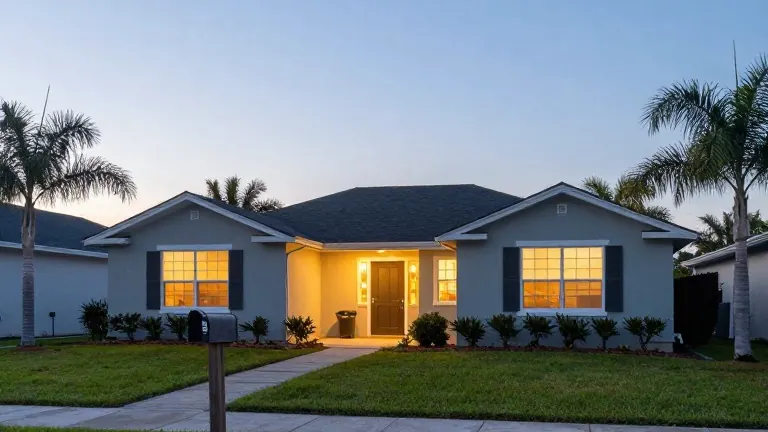
Florida residents face a direct choice on affordability with Amendment 3, a ballot measure that would increase the homestead tax exemption from $50,000 to $250,000 over two years. The proposal aims to cut billions in revenue from local budgets. If passed, some jurisdictions could eventually eliminate all non-school homestead property taxes. The measure requires a supermajority of 60 percent to pass.
State data shows the financial stakes are high. Property tax revenue collected by local governments nearly doubled from $32 billion in 2019 to almost $60 billion in the last fiscal year. An analysis by the state’s Office of Economic and Demographic Research estimates the amendment would cut local revenue by nearly $12 billion on a recurring basis. In Jacksonville alone, the Florida Policy Institute projects a loss of up to $372 million over five years.
Supporters argue the tax cut is necessary for homeowners stretched by inflation. Margy Grant, CEO of Florida Realtors, said property values have driven record revenue growth for local governments. Her organization spent $19.5 million on the Vote Yes on 3 campaign by the end of October. Grant stated that the measure ensures Floridians who want to stay in their homes can afford to do so. Governor Ron DeSantis backs the proposal, contending that local governments have excess revenue.
Opponents warn the cuts will erode public services. Steven Johnson, an organizer with the nonprofit Florida Rising, said members ask which group the affordability is actually for. Mike Weinstein, Jacksonville’s chief administrative officer, noted that half of the city’s $2 billion budget comes from property taxes. He predicted that services such as mosquito control, road surfacing, libraries, and parks would be affected. Weinstein said the city might have to open a large complaints department instead of funding maintenance.
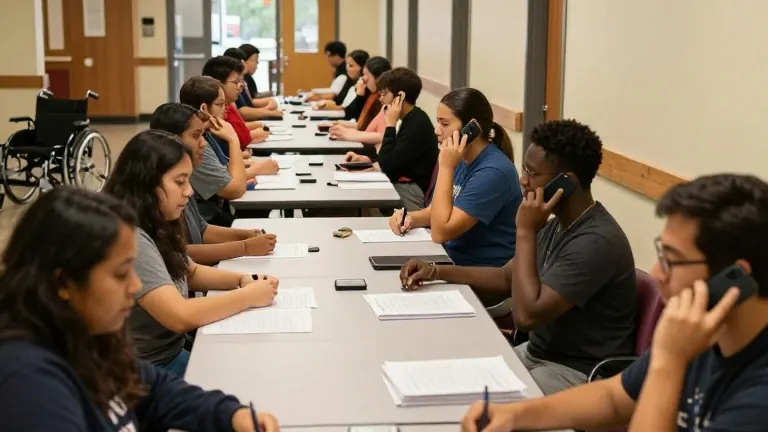
Dues works as a closing agent and sees the high costs of home ownership firsthand. She volunteers for Florida Rising, making phone calls to persuade neighbors to vote no. On one evening, she dialed 111 numbers, telling callers that the amendment could lead to cuts in flood prevention, road maintenance, and housing assistance. She described the measure as a bait and switch that helps a small segment of homeowners in the short term while causing long-term harm.
Renters like Dues may face increased costs if landlords or commercial properties absorb new taxes. Maggie Fernandez, a 68-year-old homeowner in Jacksonville, also volunteers for the no vote. She acknowledged she might see some tax relief but believes the measure will hurt local services and those worse off than she is. Fernandez and other volunteers made nearly 1,500 calls in one session at the Florida Rising office.
Public officials are divided on the impact to emergency services. The Florida Sheriffs Association warned that police and fire departments would suffer, while proponents like Senator Rick Scott argued that counties have waste to cut. Scott posted on X that the amendment would force local governments to eliminate waste rather than essential services. Grant dismissed these warnings as a talking point of the opposition.
Voters in 11 states have reined in property taxes in 2026, according to the Center on Budget and Policy Priorities. Florida’s proposal is more expansive than many others. Dues stands in line at a church food bank on the west side of Jacksonville, calculating how much gas it will cost to get home. She wonders if the food bank will have city funding to operate. She asks the volunteer at the sign-in desk if she is voting, seeking confirmation that her neighbors share her concerns about the ballot measure.
Source: KPBS