Fourteen Dead in Dnipro Drone Strike
European leaders demand increased pressure on Russia following the attack, while Ukraine pauses refinery strikes ahead of US midterms.
By Samuel Peterson ·
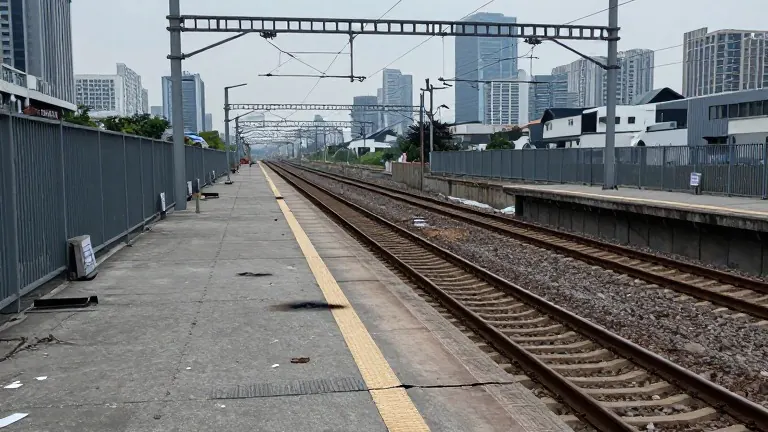
At least 14 people died and another 14 were injured when a Russian drone struck a crowded railway platform in Dnipro on Thursday. The impact occurred in a busy public area, prompting immediate emergency responses from local services. Regional governor Oleksandr Hanzja confirmed the casualty count and noted that the strikes also cut power to 350,000 households in the region.
European political leaders reacted to the incident with strong condemnation. French President Emmanuel Macron argued that the current situation requires far more than a localized ceasefire. He referenced the existing truce in the Russian-occupied city of Oleshky but suggested it was insufficient for the wider conflict. EU Council President Antonio Costa labeled the Dnipro attacks as cruel and devastating. He stated that the EU would continue to increase pressure on Russia and support Ukraine until a just and lasting peace is achieved. Costa also called on international partners to adopt a similar stance.
Ukrainian President Volodymyr Zelenskyy described the train station attack as horrific. He insisted that sanctions against Moscow and its war machine must not be eased for as long as the war continues. Zelenskyy warned that Ukraine possesses intelligence indicating that Russia is preparing new ballistic missile strikes. He said the country needs the means to counter these threats and that relevant decisions are expected soon. The same series of strikes hit a student dormitory in Dnipro, setting it ablaze.
Later on Thursday, Russian forces launched an attack on the Ukrainian capital, Kyiv, using ballistic missiles. Mayor Vitali Klitschko reported via Telegram that the missiles hit warehouses and triggered a fire. Emergency services were dispatched to the scene on the east side of the Dnipro River. While the truce in Oleshky held into its third day, strikes elsewhere in Ukraine killed at least 20 people and injured more than 70 others, according to local officials. Russia and Ukraine announced that an operation to bring aid into Oleshky and allow residents to leave was ready to begin.
The attacks occurred as Ukraine paused its military strikes on Russian oil refineries. A report in the Wall Street Journal cited people with knowledge of the operations, stating that Ukrainian units were told in mid-October to put the campaign on hold once missions already in motion were completed. The pause is expected to last until after the US midterm elections and potentially into November. This decision followed pressure from US President Donald Trump. Zelenskyy renewed his criticism of a deal between Trump and Russian President Vladimir Putin to ease some US sanctions on Russia. The agreement allowed Moscow to release diesel onto global markets. Zelenskyy questioned how many terrorist strikes Russia had carried out since sanctions were lifted on oligarchs and the energy sector.
Late on Thursday, Putin told reporters that he supported steps aimed at restoring relations with European countries. He made these comments after hosting a summit with African leaders and discussing his phone call with the leaders of Norway and Finland. Putin stated that if any conflict breaks out, there will be no winners. He added that while some parties may want to prepare for further conflict, they have not yet achieved their goal of inflicting a strategic defeat on Russia.
The next scheduled development involves the start of the aid operation in Oleshky. Both nations have confirmed the operation is ready to begin. This follows the fragile truce that has held for three days in the city, which has been under Russian occupation since 2022. Residents there have faced months of shortages in food, water, and medicine.
Source: The Guardian