Morocco Celebrates as UN Western Sahara Mission Ends
A Russian veto at the Security Council stopped the renewal of Minurso, leaving a reduced team to manage the withdrawal of assets from the disputed territory.
By Nicholas Campbell ·
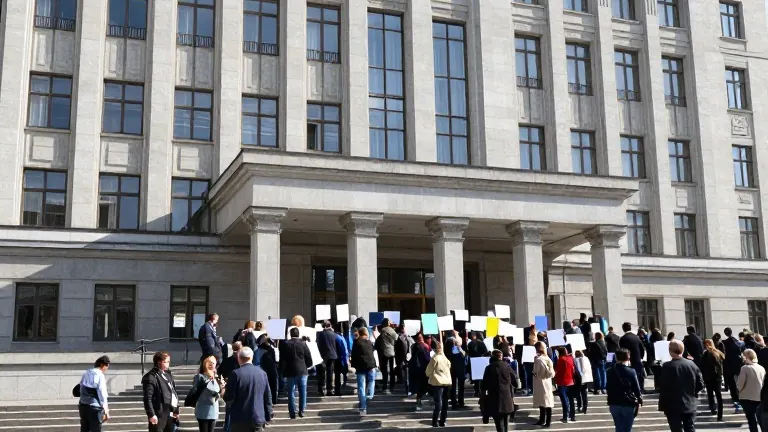
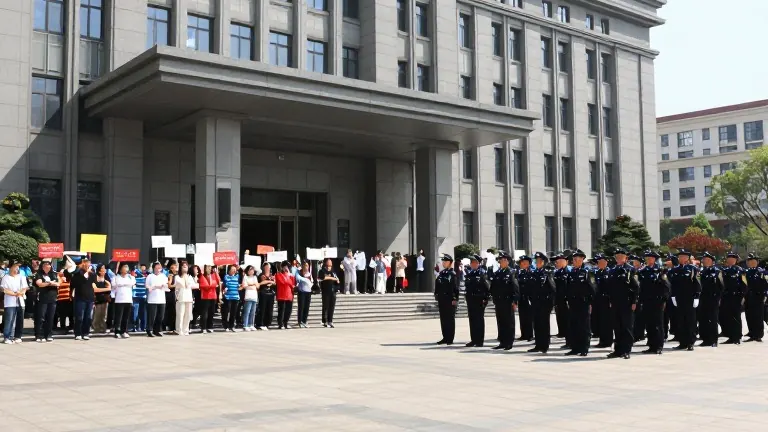
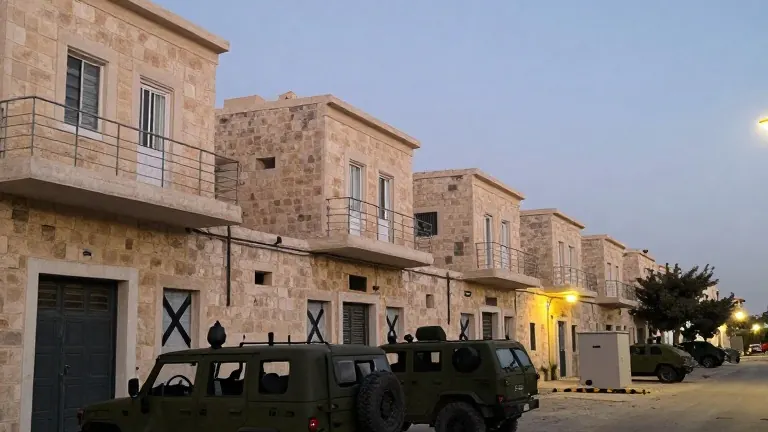
Morocco marked the expiration of the UN peacekeeping mission in Western Sahara with celebrations in its largest city, Laayoune, where residents waved national flags and displayed portraits of King Mohammed VI. The mission, known as Minurso, ended after the UN Security Council failed to agree on its future during a diplomatic standoff between the United States and Russia.
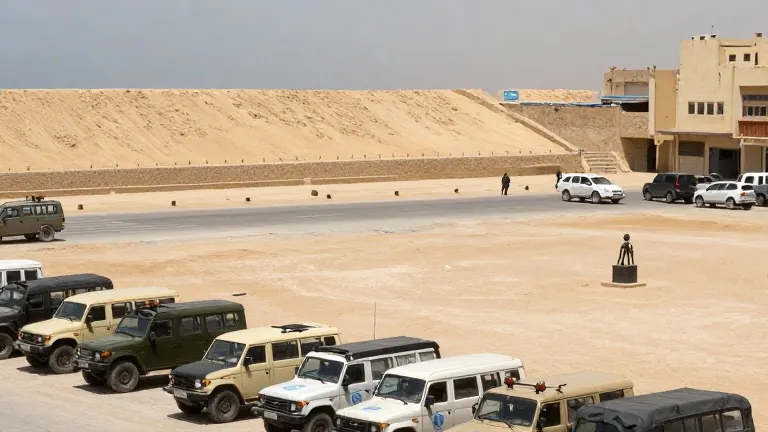
The council could not renew the mandate on Friday. Russia vetoed a US-backed draft that would have extended the mission for another year while removing the word 'referendum' from its title. A competing Russian proposal to extend the mission without changing its terms also failed, receiving only two votes in favor. Minurso’s mandate expired at the end of Saturday, 31 October. The UN declared the next day that the mission entered a liquidation period, with a smaller team overseeing the transfer of military equipment and other assets.
The dispute involves Morocco, which controls most of the territory, and the Polisario Front, an independence movement backed by Algeria. Western Sahara, located on Africa’s northwest coast, was a Spanish colony until 1975. Morocco claims the land as an integral part of its territory, while the Polisario Front seeks self-determination for the Sahrawi people. A UN-brokered ceasefire has held since 1991, though it briefly broke down in November 2020.
Minurso was established to monitor the ceasefire and organize a referendum that was originally scheduled for 1992. The vote never took place due to disagreements over voter eligibility. Morocco proposed an autonomy plan in 2007 that would allow Sahrawis to manage internal affairs while Rabat retained control over defense and foreign relations. The Polisario Front rejected the plan, insisting on a referendum that included independence as an option.
UN Secretary-General Antonio Guterres stated that the Sahrawi people’s right to self-determination must be respected and warned of the risk of renewed hostilities. Sidi Omar, a representative for the Polisario Front, criticized the US proposal, saying it would 'torpedo the foundations of the UN peace process.' Morocco’s foreign minister, Nasser Bourita, said the end of the mission does not mean the end of the ceasefire and that Rabat remains committed to it within respect of its security and sovereignty.
The mission had 155 military personnel and was budgeted at $62 million for the financial year beginning in June. Morocco’s House of Representatives Speaker, Ahmed Touizi, addressed a joint session of parliament on Monday, describing the end of Minurso as a victory for the country's diplomacy. He stated that the country should now move from managing the dispute to implementing its autonomy plan under Moroccan sovereignty while pressing ahead with development projects.
The departure of the UN mission raises questions about security in the region. Oxfam warned that losing the mission's monitoring role could undermine stability. Issam Laaroussi, a Moroccan expert in international relations, noted that the mission's departure could create security gaps, although he said it does not create the original conflict. Both Morocco and Algeria increased military spending last year, with Algeria spending an estimated $25.4 billion compared to Morocco’s $6.3 billion.