Serbian political transition: Detentions and resignations follow Vucic's defeat
New student-led government faces a wave of arrests and media shifts as the former president's allies scramble to protect themselves.
By Nicholas Campbell ·
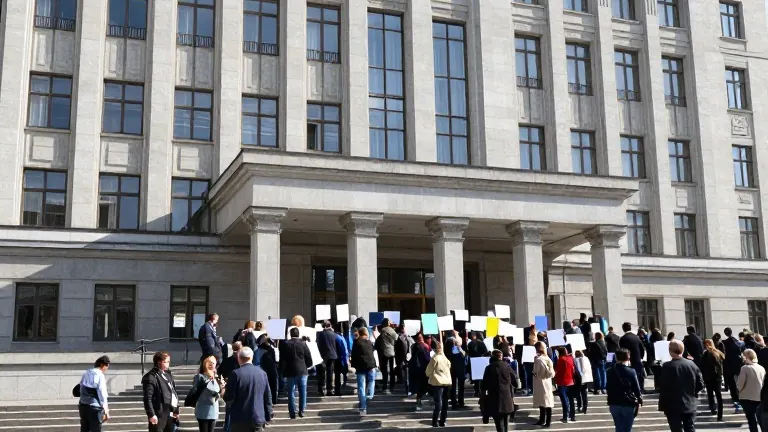
Serbia’s post-election period has turned volatile as former President Aleksandar Vucic’s supporters face a surge in arrests, resignations, and legal probes. The rapid changes follow the October 25 parliamentary vote, which handed victory to a student-led movement. An anonymous website now tracks the unfolding events in real time, labeling the chaos a system breakdown.
The new administration has not yet formally taken control of the government, security agencies, or the army. However, the shift in power is accelerating actions that would typically occur after a full transition. Officials are acting under the assumption that the previous leadership’s grip is dissolving.
Several high-profile figures have been detained in the last week. Marko Kricak, the former chief of the criminal police, and another senior police officer were jailed on suspicion of abusing their office in a murder investigation. Kricak had previously faced accusations of threatening a female student during protests, though he was not charged for that specific incident.
Davor Macura, owner of Alta Bank, was detained on Monday. Prosecutors allege he attempted to remove millions of dollars from the bank’s vault. The bank’s license has been revoked, and Macura faces charges of abuse of office. Local media had linked the bank to Vucic’s Serbian Progressive Party.
Vucic remains defiant from his new role as opposition leader. On Sunday evening, he appeared on Pink TV, stating that while the defeat is difficult for his family, he is prepared to persist through anything. He denied fear of arrest, claiming that prosecutors lack evidence because he rarely signs documents. He described the student movement’s actions as revolutionary terror.
The election winners have urged prosecutors and judges to resume active investigations or resign. Many corruption cases, including one involving a train station tragedy in November 2024, remained incomplete under Vucic. The new leadership promised to end the era of untouchable officials. In response, the Higher Prosecutor's Office in Belgrade issued a statement on Tuesday complaining of political pressure and an atmosphere of persecution. They noted that the European Union and the OSCE had been informed.
New complaints are flooding prosecutors' offices. These range from suspected election fraud to violence against journalists and activists. Organized crime units are investigating whether some officials were placed under illegal surveillance. Lawyer Ivan Ninic alleged a criminal conspiracy involving a justice ministry official and more than 30 prison wardens. He claimed they pressured or bribed inmates to vote for Vucic, presenting screenshots of chats where officials discussed vote counts. Vucic’s party won overwhelmingly in prisons.
In Mali Zvornik, near the Bosnian border, police detained six people accused of issuing false residence documents to Bosnian citizens so they could vote for Vucic’s party. In the media sector, previously loyal outlets have shifted to neutral stances or canceled programs. State television RTS replaced its leadership and apologized for unprofessional reporting. However, broadcasters Informer and Pink continue to host Vucic daily.
Local pressure is building as well. Vucic’s party lost control of Belgrade and most other towns, where it had previously held power down to the village level. Employees in schools, hospitals, and cultural institutions are demanding the removal of party-appointed managers. In Belgrade, a high school principal denied throwing away documentation, claiming he was only removing unnecessary papers. Analyst Slobodan Stupar said the party’s expiration date has passed and that its structures will fall like dominoes.