Myanmar Faces New Pressure to Stop Rohingya Repatriation After Genocide Ruling
Survivors describe the 2017 exodus that moved over 700,000 people to Bangladesh, where most remain nearly a decade later.
By Valentina Rojas ·
The International Court of Justice in The Hague issued a ruling this week declaring that Myanmar carried out a genocide against the Rohingya people. The court determined that military forces engaged in systematic violence that went beyond ethnic cleansing. Judges noted that soldiers actively killed individuals attempting to flee their homes. This legal finding addresses the events of 2017, when hundreds of thousands of Rohingya fled to neighboring Bangladesh.
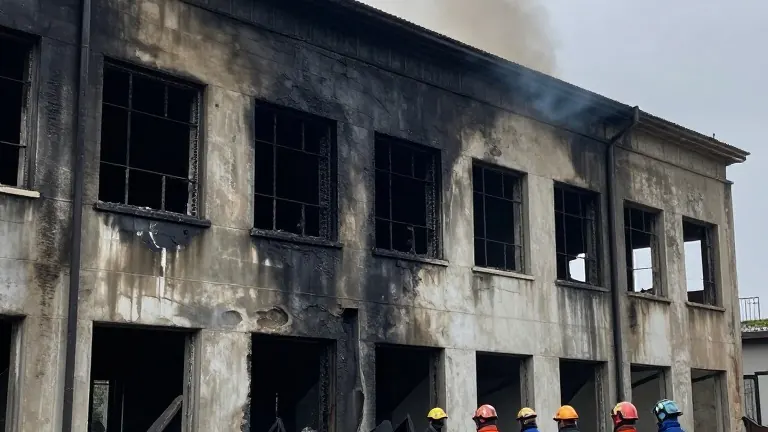
Survivors recall specific omens that triggered their flight. Smoke rising from distant villages signaled that an attack was imminent. In some areas, refugees reported seeing rivers run red with blood. They pulled bodies from the water, performed quick burial rites, and continued moving through forests and hills under heavy monsoon rains. The journey was marked by reports of organized mass killing, sexual violence, and the destruction of entire villages.
More than 700,000 Rohingya settled in Bangladesh by the end of the crisis. This population has since formed the world's largest refugee camp. Many arrived from locations such as Tula Toli, where thousands were reportedly rounded up and buried in mass graves. Security forces specifically targeted men in many communities. Almost a decade after the initial wave of displacement, the majority of those who fled in 2017 still live in the camps.
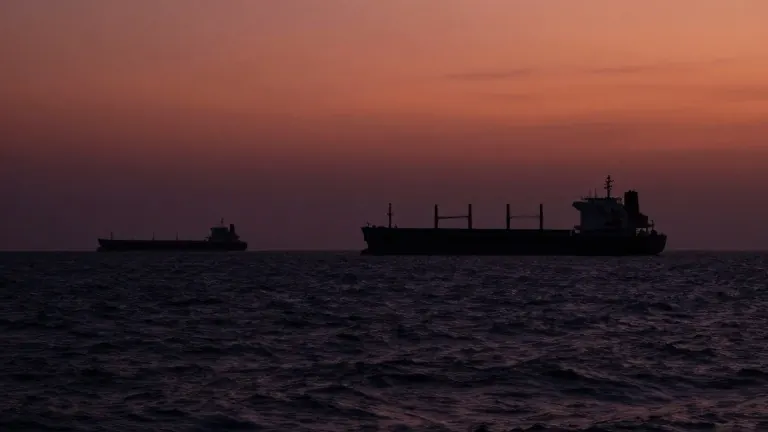
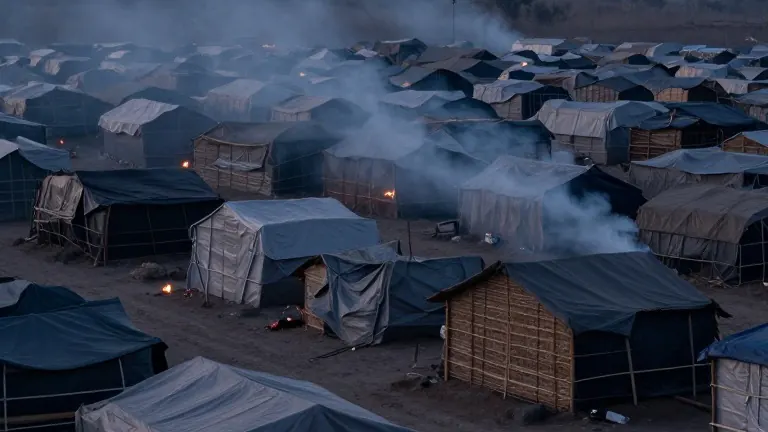
The ruling arrives as the community faces new pressures. Hundreds of Rohingya died at sea in the past year while trying to escape the camps. Host nations including Malaysia and India have discussed returning Rohingya to Myanmar. Campaigners hope the ICJ decision will halt these repatriation plans. Life in the camps remains difficult, with residents living in shelters made of bamboo and tarpaulin. They face restrictions on leaving the camps, working freely, or accessing education.
Personal accounts from the Tula Toli area detail the severity of the violence. Momtaz Begum and her sister Dildar Begum both suffered the loss of their husbands and children. Myanmar forces raped them in front of their lone surviving daughters. The sisters believed each other to be dead for months until they discovered both had reached Bangladesh. Their daughters, the only surviving children from each family, shared similar scars on the backs of their heads.
Anwara Begum had previously lived as a refugee in Bangladesh twice, first in 1978 and again in the early 1990s. She lost her son to a respiratory disease during that second period. She vowed never to become a refugee again but changed her mind when she saw bodies floating in the river near her village. Her husband pulled bodies from the water for burial before the family headed west toward the River Naf. She paid a Bangladeshi boatman US $200 in gold to cross the border.
Nur Alam, an elderly man, was carried on the shoulders of his children during the journey. His 10-year-old grandson, Mamoon, held his hand throughout the trek. Alam's arrival marked his fourth time being a refugee in Bangladesh. He was first expelled from Myanmar, then known as Burma, during military operations in the 1950s before Bangladesh achieved independence.