US Deported Migrants in South Sudan Report Guard Corruption and Hunger
Families of five detainees say guards solicited thousands of dollars for supplies that never arrived, while the US Embassy was told to stay away.
By Nicholas Campbell ·
Five men deported by the Trump administration to South Sudan remain in custody in Juba, where families report that local guards solicited thousands of dollars for basic supplies while the detainees faced hunger and dehydration. These five individuals are part of a larger group of migrants expelled from the United States to third countries, a policy that has placed thousands in nations with limited oversight and struggling economies. The specific case in South Sudan has drawn attention to the financial dynamics between detainees, their families, and the local officials holding them.
Ngoc Phan, a US citizen whose husband Tuan Phan was detained there for nearly a year before being repatriated to Vietnam in June, said she paid approximately $4,000 to guards for food, water, and a cellphone. She sent several hundred dollars on multiple occasions. Each time, Tuan Phan reported receiving only a few bananas, apples, and peanuts. The couple’s experience is among those detailed by the Associated Press, which also reviewed money-transfer receipts and messages between four other detainees’ relatives and guards.
The timeline of these detentions begins in July 2025, when the administration deported eight migrants with criminal convictions to South Sudan. The group included men from Mexico, Cuba, Vietnam, Laos, Myanmar, and South Sudan. The Trump administration described them in a press release as “barbaric criminal illegal aliens.” All eight had completed their US sentences before entering immigration custody. One additional deportee is currently detained in the country, bringing the total to five remaining in Juba.
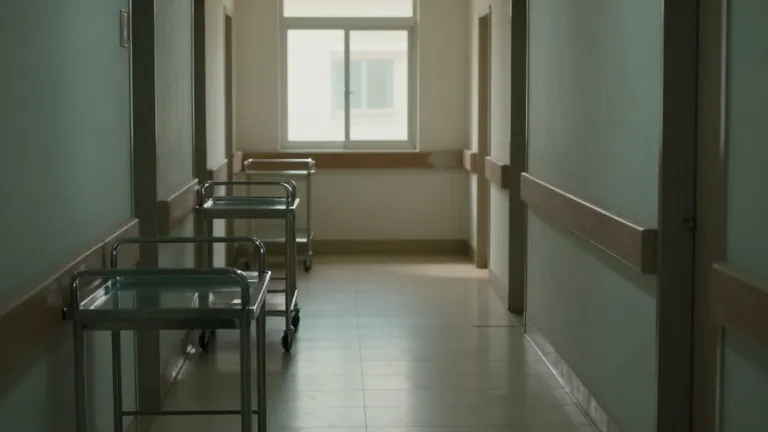
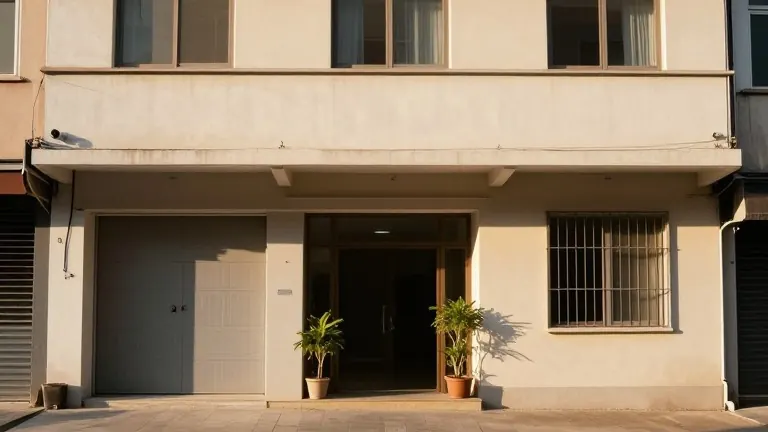
Tuan Phan, 44, said he lost 20 pounds while confined in a gated three-story building in the capital. He described tensions rising between the detainees and the guards as conditions deteriorated. One detainee was struck in the face by a guard for wanting a window open for air. Another was locked in his room for days after complaining about a lack of soap. “I feared for my life every day I was there,” Tuan Phan said. Up to a dozen guards lived and ate alongside the detainees, consuming the limited food and water supplies.
Families began sending money in November 2025 after hearing of food shortages. Requests became more frequent. Guards instructed detainees to call their families for cash, and some guards contacted relatives directly. Payments to four individuals identified as guards ranged from $100 to $1,000 per transaction. One $1,000 payment was made after a guard demanded money for suits, shirts, and shoes for a detainee’s travel home. Messages and receipts confirm these exchanges. In September, one detainee told his niece in the US to stop sending money after a previous payment never reached him.
South Sudan’s Foreign Ministry stated that detainees receive adequate food, water, and medical care, and that the government pays for these costs. A ministry spokesperson said the US “fully relinquished responsibility and no longer has any legal jurisdiction over, or ties to, these individuals.” The ministry said it is working to resolve the individual cases and allows regular contact with relatives and lawyers.
The US government’s involvement appears minimal. A US congressional aide, speaking on condition of anonymity, said embassy staff in Juba were instructed in August 2025 not to visit the detainees or follow up on their treatment. The State Department did not address whether it had issued such instructions. The UN’s International Organization for Migration said it cannot step in without a request from South Sudan.
Alma David, a lawyer representing one of the detainees still in Juba, said her client has been held for over a year without being charged with a crime. She said the detainees were “scooped up and flown to a faraway country and locked up.” Relatives and lawyers say they have little faith conditions will improve without pressure from the US or international organizations. The US administration defends the policy as a way to quickly remove migrants who have final removal orders but whose home countries refuse to accept them.
The five remaining detainees are held in Juba, a city where the economy is strained and government workers often go unpaid. The country faces severe hunger and poverty following years of civil conflict and floods. The US has deported thousands of people to more than 30 countries that are not their own, often in exchange for payments or diplomatic concessions. South Sudan sought sanctions relief and other concessions in its arrangement with the US, though details remain unclear.