Pinellas voters decide House seats as national margin narrows to three
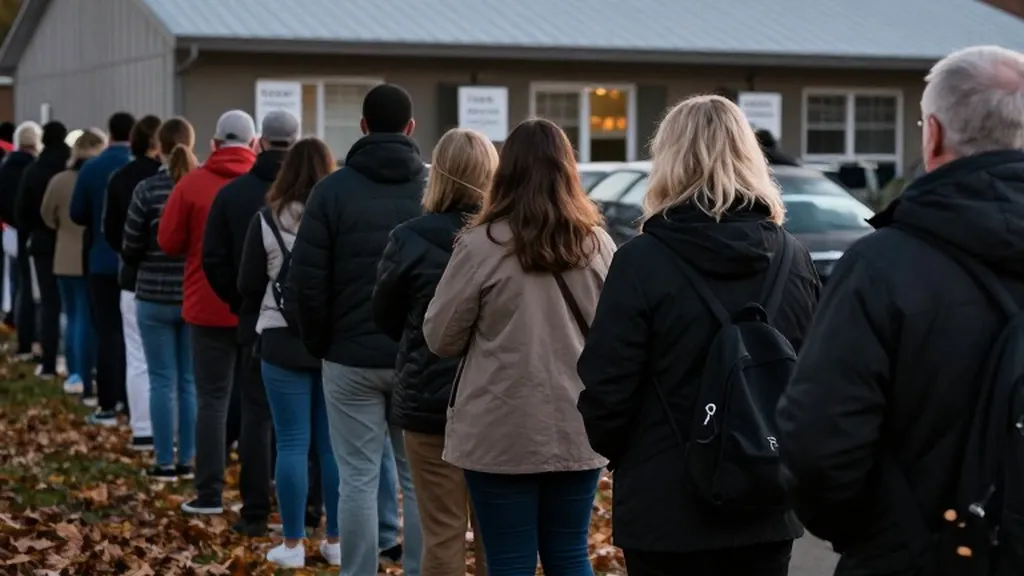
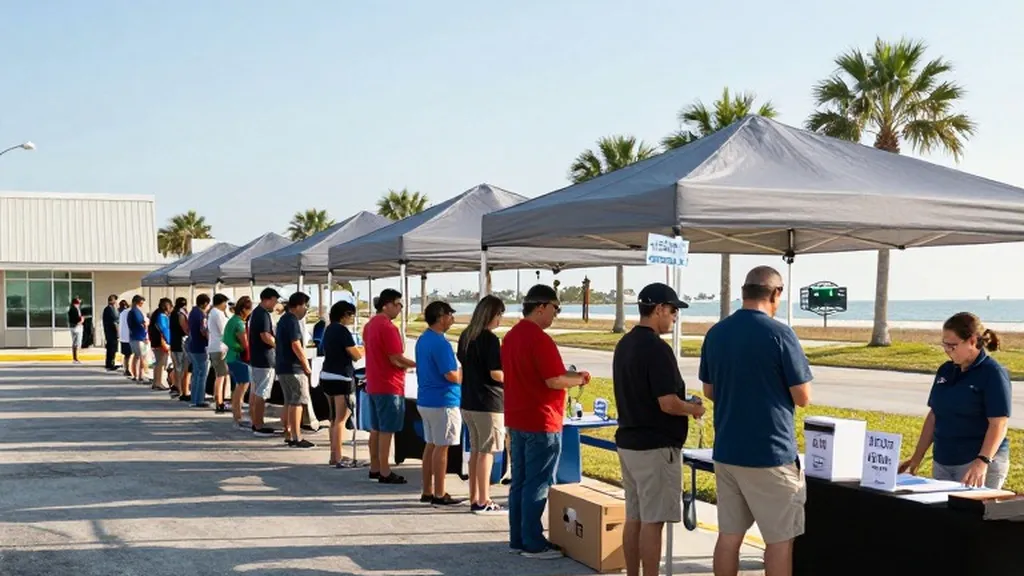
Florida polls are open from 7 a.m. to 7 p.m. as Clearwater residents cast ballots in a midterm election where Democrats need a net gain of three House districts to take control of the lower chamber.
By Samuel Peterson ·
Polls in Pinellas County are open from 7 a.m. to 7 p.m., with voting locations in Clearwater, Largo, and Pinellas Park ready to receive ballots for the 2026 midterm election. According to Ballotpedia, Florida is divided between the Eastern and Central time zones, meaning the closing time varies by specific polling place across the state. Voters in the county can find their specific polling location at vote.gov, a resource provided by USA.gov for all eligible citizens. The day marks the halfway point of President Donald Trump's second term, a moment that will determine which party controls Congress for his final two years in office.
In the state of Florida, the ballot is heavily focused on the U.S. House, where every seat in the state is up for election this year. Ballotpedia notes that there is no regular U.S. Senate election in Florida this year, though a special election for the remainder of the term held by Marco Rubio is included on the ballot. The governor's race is also a major contest, with an open seat and no incumbent running for office. Parties on the ballot for governor include the Democratic, Libertarian, No Party Affiliation, and Republican candidates. Additionally, voters will decide on state and local offices, as well as ballot measures that vary by county.
The national stakes for the U.S. House are defined by a razor-thin margin. Republicans currently hold 218 seats, while Democrats hold 214, with one independent and several vacancies. To gain a majority, Democrats must achieve a net gain of three districts. This means the Republican Party can lose no more than two seats to maintain control. According to Ballotpedia, 60 House incumbents are not running again, including 23 Democrats and 37 Republicans. The organization counts 46 battleground districts, with 25 currently held by Democrats and 21 by Republicans.
The political landscape is further complicated by the 2024 presidential results. Ballotpedia reports that 21 districts held by Democrats voted for Donald Trump in the previous election, while nine districts held by Republicans voted for Kamala Harris. These shifting allegiances make the race for control of the House particularly competitive. The Associated Press describes the election as a referendum on the president's second term, with voters struggling with high prices and expressing anger over an unpopular war with Iran. This sentiment is driving voter turnout, with more than 57 million people having already voted as of Monday.
In the U.S. Senate, 35 of the 100 seats are up for grabs. This includes 33 regular elections and two special elections for the remaining terms of Marco Rubio in Florida and JD Vance in Ohio. Republicans hold 53 seats, Democrats hold 45, and two independents caucus with the Democrats. Democrats need a net gain of four seats to achieve a majority, while Republicans can afford to lose only two. Eleven senators are not running for re-election, including four Democrats and seven Republicans. The winners of these races will begin their six-year terms on January 3, 2027.
The race for control of the governorships is also tight, with 36 offices on the ballot. Republicans currently hold 26 governorships, while Democrats hold 24. Democrats would need a net gain of two governorships to achieve a nationwide majority, a position Republicans have held since 2010. The Associated Press identifies several competitive governor races, including in Florida, where the AP calls the race competitive. In the state, the governor's seat is open, adding to the uncertainty for national party leaders watching the results.
Voters in Clearwater and across Florida are also deciding on ballot measures that could impact the state's budget and tax policies. Amendment 1 on the ballot seeks to increase the amount of funds that may be retained in the budget stabilization fund from 10% to 25% of net general revenue. Amendment 2 proposes to exempt agricultural-related tangible personal property, such as farm equipment, from property taxes. Amendment 3 focuses on local government and property taxes, proposing to increase the homestead tax exemption and limit how municipalities can spend property tax revenue.
The financial scale of these elections is unprecedented. The Associated Press reports that the 2026 elections are likely to be the most expensive in history. Republican committees have outraised and outspent Democratic committees at the committee level, aided by Trump-affiliated groups and Elon Musk. However, at the candidate level, Democrats have outraised their opponents. An analysis of AdImpact data by the AP shows that 88.1% of Republican general election TV ad spending went to states and districts that Trump won in 2024, including more than $850 million in areas where he won by 10 points or more.
The mood among party leaders is a mix of caution and hope. RNC Chairman Joe Gruters stated that everything depends on turnout, saying, "If we turn out our voters, we win, and that's what we've been planning for." In contrast, DCCC Chair Rep. Suzan DelBene said, "The American people are angry. They want change." President Trump has held dozens of rallies to support Republican candidates, ending his recent schedule in Salina, Kansas, where he told supporters, "I really want you to pretend I'm on the ballot." Many Republican candidates have kept their distance from the president, who has continued to make claims about voting fraud.
The election administration has faced legal challenges in the days leading up to the vote. A federal judge temporarily barred the Trump administration from carrying out a plan to prevent noncitizen voting, a move critics say risks disenfranchising eligible voters. Another judge ordered the administration to stop demanding that California election officials segregate ballots cast by people on lists of suspected noncitizens. The U.S. Postal Service has added hours, staff, and special lines to ensure mail ballots are counted on time. These logistical and legal hurdles add to the complexity of a day that will define the political direction of the country for the next two years.