Trump, Xi, and Putin End Summit Quietly
The first direct talks between the three nuclear powers produced a narrow declaration focused on UN reform and oil supplies, omitting major conflicts.
By Samuel Peterson ·
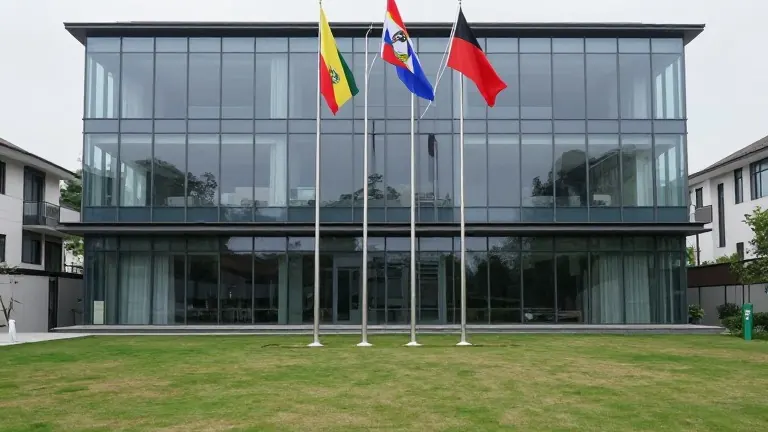
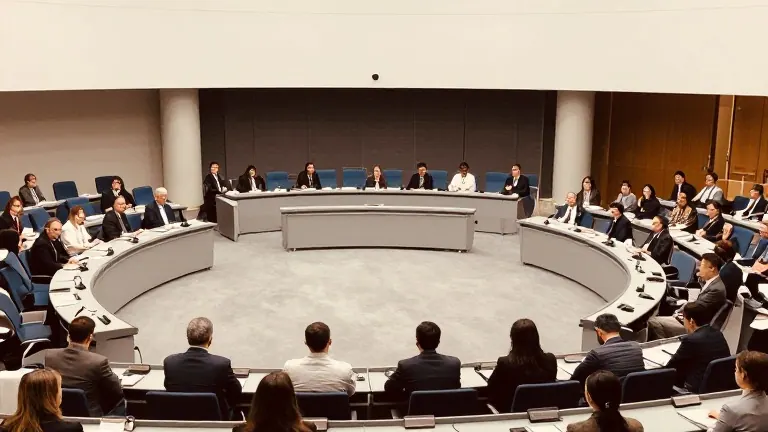
U.S. President Donald Trump, China’s Xi Jinping, and Russia’s Vladimir Putin concluded their first direct talks in Shenzhen, China, on Thursday. The leaders met for approximately 70 minutes in a villa within the tech hub. Their discussion centered on the risks posed by nuclear arsenals. However, the session ended without major breakthroughs or a unified stance on the ongoing wars in Ukraine and Iran.
The summit was designed to demonstrate diplomatic cohesion among the world’s three largest nuclear powers. Before the meeting, Trump described both Xi and Putin as friends, aiming to frame the event as a personal achievement in negotiation. The initial agenda included shared responsibilities for global peace, referencing the leaders’ nations as victors of World War II. The final output, however, prioritized symbolic unity over substantive conflict resolution.
A joint peace declaration released after the session outlined three specific agreements. The leaders committed to increasing oil supplies and reducing nuclear risks. They also agreed on the need for reforms to the United Nations. The document notably omitted any reference to Russia’s war in Ukraine or the U.S.-led conflict in Iran. Post-meeting reports from the three countries reflected this focus on high-level principles rather than detailed strategic plans.
Ukrainian forces conducted a third aerial attack in four days on the Kerch Bridge, which links Russia to Crimea. This strike halted rail traffic across the span overnight. Russian state news agency RIA Novosti reported that train services resumed in the afternoon after authorities assessed the damage. The timing of the strikes appeared intended to test Russian logistics and signal strength while Putin was in China.
In the Netherlands, the United Nations International Court of Justice issued a ruling that Myanmar committed genocide against the Rohingya minority. The court ordered the Southeast Asian nation to allow displaced people to return home. This marks the first time the court has found a state responsible for genocide. The decision arrives as the court handles other genocide allegations related to Gaza and Ukraine.
In Mississippi, Democratic lawmakers are demanding an investigation into a spike in inactive voter registrations. The number of people listed as inactive increased by nearly 60,000 since the 2024 presidential election. The change resulted from integrating data from a credit reporting agency into voter roll maintenance. Lawmakers seek legislation to prevent eligible voters from being mistakenly moved to inactive status ahead of the 2026 gubernatorial race.
Tesla and SpaceX CEO Elon Musk told The New York Times on Wednesday that he is not a strict adherent to the Make America Great Again brand. He described himself as feeling pretty foolish for spending hundreds of millions of dollars on the cause following the Republican midterm losses. Musk said he does not believe in blind adherence to a specific set of party policies, distancing himself from the movement’s core identity.