After 16 die in station crash, students lead Serbia's biggest shift in decades
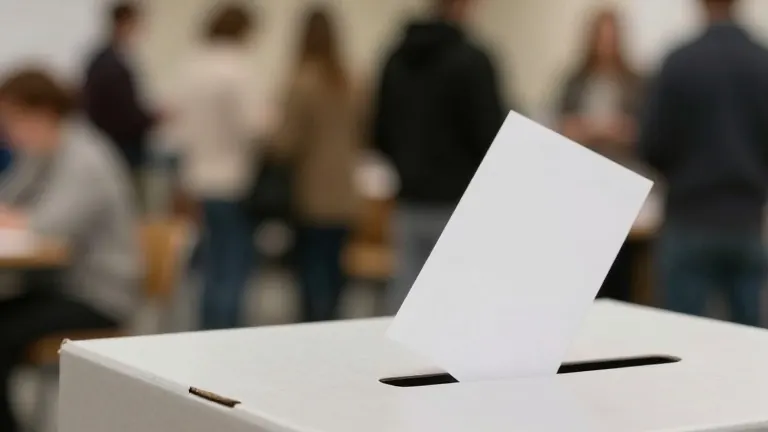
Voter turnout in Serbia hit a 30-year high in Sunday's snap election, ending the decade-long tenure of President Aleksandar Vucic.
By Valentina Rojas ·
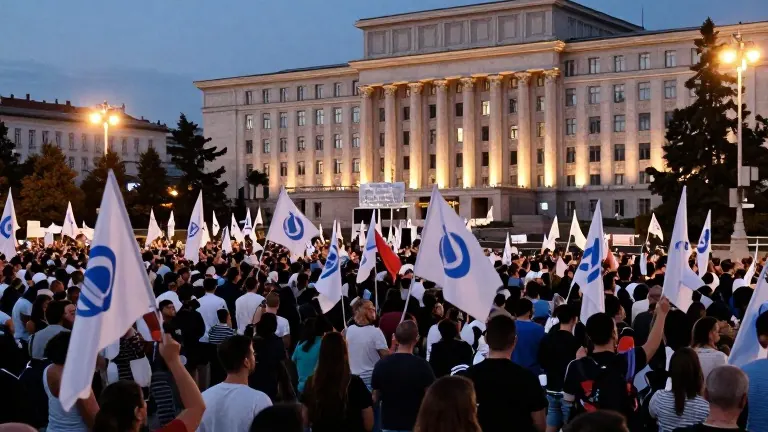
Serbian President Aleksandar Vucic conceded defeat in Sunday's parliamentary elections to the Student List, a youth-led coalition that captured an estimated 135 to 140 of the 250 available seats. Vucic's Serbian Progressive Party is projected to win 105 seats, ending his dominance over the country's political landscape after more than a decade in power.
The election marked a turning point in Serbia, with voter turnout reaching its highest level in over 30 years. Vucic, who has served as president since 2017 and previously as prime minister, acknowledged the loss to his supporters. "It is clear that we have lost these elections," he stated after initial vote counts favored his challengers.
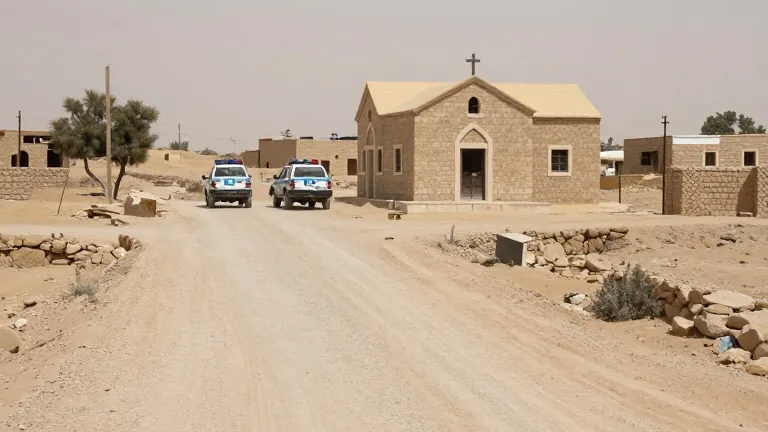
The Student List emerged from a movement sparked by a tragic infrastructure failure. On November 1, 2024, a canopy at a train station in Novi Sad collapsed, killing 16 people. The incident triggered nearly two years of protests involving professors, doctors, and workers who demanded accountability. The demonstrators eventually organized into a political platform led by Ilija Srdanovic, a professor at the Faculty of Medicine in Novi Sad.
Srdanovic and the Student List campaigned on a platform of tackling corruption, depoliticizing public institutions, and restoring citizen rights. In contrast, Vucic characterized the protesters as "blockaders" who sought to destabilize the nation. Vucic, who founded the Serbian Progressive Party in 2008 with Tomislav Nikolic, had positioned himself as a pragmatic leader balancing relationships with the European Union, Russia, and China.
Vucic's political career began in 1993 when he joined the ultranationalist Serbian Radical Party led by Vojislav Seselj. His early rhetoric included a memorable 1995 parliamentary remark: "Kill one Serb, and we will kill 100 Muslims." Seselj was sentenced to 10 years in prison in 2018 for war crimes, and his son, Aleksandar Seselj, appeared on Vucic's electoral list this week.
Serbian journalist Safeta Bisevac noted that Vucic initially lagged behind Nikolic in popularity and served primarily as an organizer for the new party. Bisevac observed that while the government promised to fight corruption, it instead established "almost complete control over the state apparatus." Economic data cited by Reuters shows unemployment dropped from 26 percent to between 8 and 9 percent under Vucic's leadership, and nominal gross domestic product nearly tripled to about 90 billion euros.
Despite economic growth, critics argue that living standards have not improved proportionally to wage increases. Political scientist Dusko Radosavljevic described the student victory as giving voice to justified citizen anger. He stated that the past decade was defined by "systematic pressure and the destruction of social institutions," including the monitoring of political opponents by state intelligence services.
Source: Al Jazeera