Brazil Runoff: Lula Claims Fourth Term Amid Vote Surge and Legal Challenge
Late-breaking votes shifted the result in favor of the incumbent, prompting a legal bid for annulment from Senator Flávio Bolsonaro.
By Samuel Peterson ·
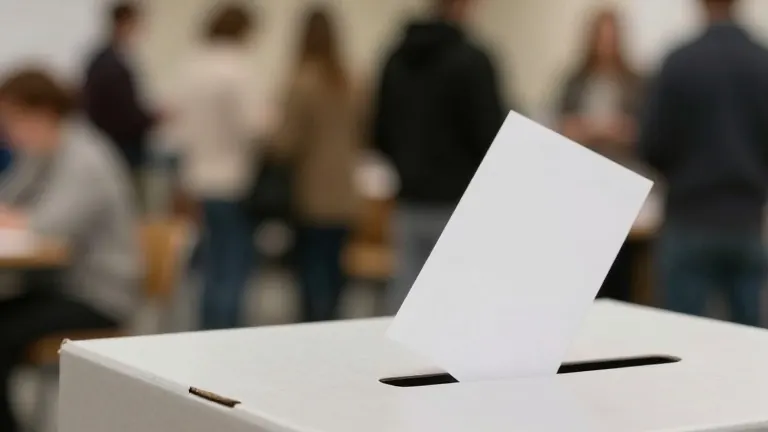
President Luiz Inácio Lula da Silva secured reelection in Brazil’s presidential runoff Sunday, a victory that is already facing legal scrutiny. Senator Flávio Bolsonaro has moved to challenge the results, creating immediate friction between the country’s dominant political factions. The outcome hinges on a late surge in voter turnout that altered the final tally.
The election saw a dramatic shift in participation. A total of 14.1 million voters cast ballots in the second round, a sharp increase from the first round which recorded a historic high in abstentions. Analysts estimate that three-quarters of these additional votes went to Lula. This mobilization allowed the incumbent to overcome initial polling disadvantages and claim a decisive lead. He collected more than 64 million votes, compared to just under 60 million for Flávio Bolsonaro, a margin of nearly 4 percent.
A critical factor in the turnout surge was a digital campaign strategy led by lawmaker André Janones. Janones managed a WhatsApp channel called “Lula's Army” that reached almost 11 million people. This network focused on aggressive, constant messaging that mirrored right-wing communication styles. The effort successfully engaged voters who had remained uncommitted or had voted for third-party candidates in the first round. Experts note that this shift in strategy revitalized a campaign that had previously suffered from internal conflict.
Flávio Bolsonaro announced on Sunday that he would request an annulment of the election. This decision followed a chaotic last-minute extension of voting hours, a measure requested by both candidates to address local logistical issues. The extension was ordered by a Supreme Court justice minutes before polls were scheduled to close at 5 p.m. The speed of the decision meant many polling stations learned of the change only after wrapping up. Despite the disruption, Brazil’s electronic voting system, introduced in the 1990s to prevent fraud, continued to produce reliable results.
Reactions to the outcome have been mixed domestically and internationally. President Donald Trump suggested on Monday that the election was rigged, stating it had a bad look without providing specific evidence. In contrast, Kassio Nunes, president of Brazil’s electoral authority, recognized Lula’s victory on Sunday. Brian Winter, a Brazil analyst, described the situation as an uphill battle for Flávio Bolsonaro, noting that key power brokers are aligning behind the incumbent.
Lula is expected to take office on January 5, 2027, for his fourth non-consecutive term. He will serve as a counterweight to the rightward shift in the region, particularly given the influence of the United States. Flávio Bolsonaro remains a senator, though his term ends in January. His father, former President Jair Bolsonaro, is serving a 27-year sentence for a coup attempt and visited his son on Monday. The Bolsonaro family holds a strong position in the right-wing Congress, where their party will have the most seats. This dynamic suggests a prolonged period of political polarization for the incoming administration.
Source: ABC News