
Author Eric Athas argues consumers are drowning in new products and noise
In his new book, Athas critiques the constant pressure to buy the latest gadgets and offers a framework for choosing quality over novelty.
By Valentina Rojas ·
Eric Athas has published a new book that challenges the modern habit of chasing the latest products. His work, titled “Saying No to New: Why New Things are Stealing Your Time, Money, and Happiness, and How to Take Back Your Life,” argues that constant novelty drains personal resources. Athas is an editor at The New York Times and has previously worked for NPR and the Washington Post.
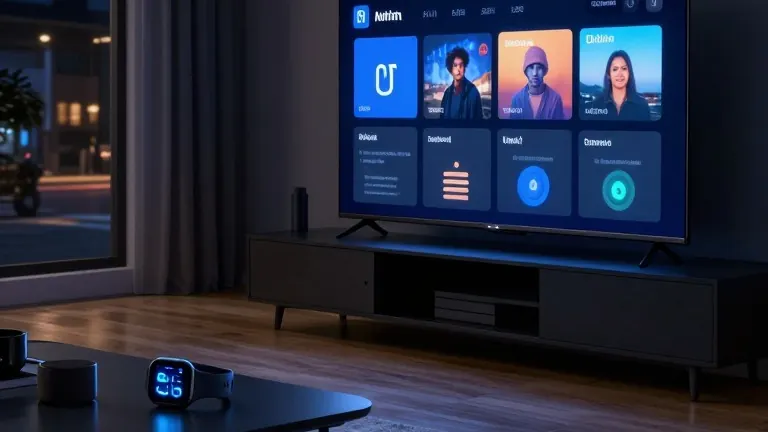
The book features a chapter that describes the sensory overload of modern smart home devices. It notes that Wi-Fi fridges, Amazon Echo speakers, and smartwatches often demand attention through pings and polls. The text cites Amber Case, a consultancy founder, who compares these devices to roommates that prevent sleep by demanding attention. Case runs the Calm Tech Institute, which advises businesses on designing products that do not cause stress or distraction.
Case explains that new technologies often hide a large cost in user time. She argues that when interfaces change or devices fail to perform as promised, users must relearn how to use them. She recalls her childhood home, which her father, a broadcast engineer, equipped with voice-activated lights and automated sprinklers in the 1990s. She describes the voice-activated lights as annoying because sensitive sensors would turn them on at 3 a.m. from the sound of a passing truck. She believes a standard light switch is a better design solution.
Case identifies several modern design choices that frustrate users, including overused touch screens, bright lights, and robotic voices. She points to the complex menus on modern televisions as a primary example of poor design. She states that if a smart TV is truly intelligent, the user should not need to be smart to operate it. She suggests designers study familiar tools like pianos and bicycles, which have remained effective for a century because they align with human senses and intuition.
She also criticizes auto designers for creating complex dashboards without using cars themselves. She compares this to hiring people who have never played soccer to design a soccer ball. However, she acknowledges that some automotive innovations are calm and useful. She cites backup cameras and blind-spot indicator lights as examples. These tools provide information without overwhelming the driver's attention. She believes that technology should work with human nature rather than against it.
Case argues that humans are designed to interact with the physical world through touch, smell, and sight. She notes that screens simulate this experience but do not replicate it. She compares a person staring at a phone to a lion pacing in a cage with a painted Serengeti behind it. She says this disconnect puts the mind at unease and leads to compulsive behavior. She sets personal restrictions on her own technology use to maintain a connection to the real environment.
The book is published by Balance, an imprint of Grand Central Publishing Group. The excerpt from the book was originally published on WBUR.org. The full text explores how consumers can align their purchases with personal values by rejecting unnecessary newness.
Source: WUSF Public Media · original report published
More News · Clearwater news · Report a business · Got a Story?