
Minnesota mosquito counts fell to half the long-term average due to drought
Peak populations dropped 50% this summer, prompting questions about dragonfly survival and West Nile virus risks.
By Nicholas Campbell ·
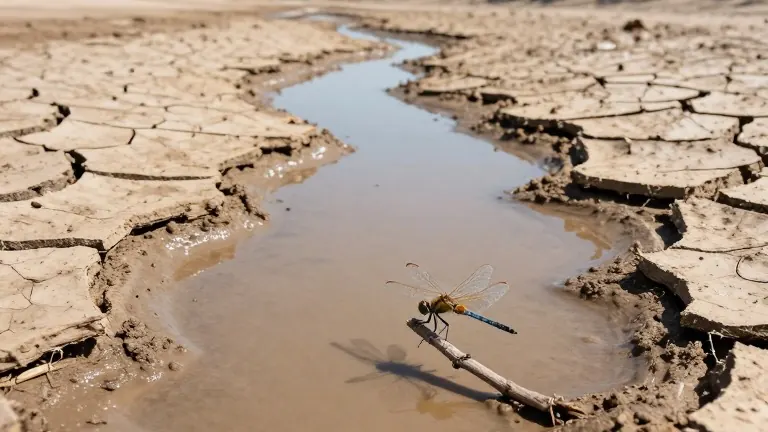
Minnesota residents have spent the last two summers with fewer bites, a shift driven by persistent dry weather rather than insecticide use. The Metropolitan Mosquito Control District in the Cities reported that peak mosquito populations in the 2026 season were approximately 50% below the long-term average. This drop follows a multi-year pattern of intermittent drought across the state.
Female mosquitoes require standing water to lay eggs, and many species need at least five days of continuous water to complete their larval stage. With less water available, the population declined. Since January 2020, the state has accumulated a rainfall deficit of nearly 20 inches. The Brainerd lakes area faces a deficit of about 10 inches, contributing to the reduced standing water that supports mosquito breeding.
Ecologists are examining how this natural reduction affects the food web. A 1999 study from the University of Minnesota found that chemical control efforts reduced overall insect densities by 57% to 83% in treated wetlands, yet showed no measurable negative effects on breeding birds. Researchers noted that other factors, such as a 70% predation rate on bird nests, likely had a greater impact than the loss of mosquitoes. Birds generally consume a wide variety of insects, so a drop in mosquito numbers does not starve them.
Predatory insects face a different risk. A five-year study in southern France measured the impact of biological mosquito control on dragonflies and damselflies. In treated areas, researchers found about half as many of these insects compared to untreated sites. Statistical analysis indicated that the treatment accounted for 87.3% of the explained variation in those populations. This suggests that if the current drought acts like a chemical control, dragonflies may be more vulnerable than birds.
The reduction in mosquitoes does not eliminate the threat of disease. West Nile virus remains a primary concern in Minnesota, carried mostly by Culex species that thrive in warm, stagnant water. As water sources dry up, mosquitoes and birds concentrate around the remaining pools. This concentration can increase the rate of virus transmission from mosquitoes to birds, meaning fewer mosquitoes does not necessarily mean a lower risk of infection.
Residents can manage yard populations without broad-spectrum insecticides. The University of Minnesota Extension recommends mowing grass to 3 to 4 inches to increase airflow and sunlight. Homeowners should dump water from birdbaths, toys, and wheelbarrows weekly to remove breeding sites. Cleaning gutters and aerating ponds also help reduce standing water. Using Bti briquets in persistent water sources targets mosquito larvae specifically.
The outlook for next year depends on winter and spring weather. Minnesota has over 50 mosquito species, and eggs from some can survive winter in soil and leaf litter. If wetlands do not refill over the winter, populations may stay low. However, many waterbodies in the state never dry up. If significant precipitation arrives by spring, dormant eggs can hatch quickly. Southeast Minnesota saw a rapid rebound in mosquito numbers after heavy rains in late summer 2026, following a dry period.
Mosquitoes also transmit heartworms, which primarily threaten dogs and can infect cats. While the drought reduces the total number of mosquitoes, the concentration around remaining water sources keeps the disease vector active. Homeowners should continue monitoring for standing water and consider Bti-based controls to protect against both nuisance bites and disease transmission.
Source: Brainerd Dispatch