Ebola Outbreak Passes 10,000 Cases
The DRC declared its fastest spreading epidemic in May, but new data shows the virus likely spread undetected for months.
By Samuel Peterson ·
The Ebola outbreak in the Democratic Republic of Congo has surpassed 10,000 confirmed infections. Government figures released this week indicate the total has climbed past that mark since the epidemic was officially declared in May. Katie Thomas-Canfield, the interim Ebola response director for the International Rescue Committee, noted that the speed of this spread is surprising. She compared the current numbers to the 2014 to 2016 West Africa outbreak, where only about 4,000 people were infected at the same stage. That earlier epidemic remains the largest by case count, with more than 28,000 total infections.
The current crisis is the widest in geographic scope, stretching from Nigeria to Kenya. It ranks second only to the 2014 to 2016 outbreak in mortality, with nearly 5,000 deaths recorded so far. Children under five account for a disproportionate share of those fatalities. Approximately three out of four infected children in that age group have died. Mohamed Janabi, the regional director for the World Health Organization in Africa, stated at a press conference last week that health teams must reach patients earlier to prevent fear from becoming a barrier to survival.
Experts attribute the rapid initial spread to several factors. The virus likely began circulating in February or March, months before the official declaration. The outbreak is driven by the Bundibugyo species of Ebola, a variant for which existing tests were not fully calibrated. The region in northeastern DRC is remote and affected by conflict. Nahid Bhadelia, an infectious disease physician at Boston University, noted that cuts to U.S. foreign aid may have slowed disease surveillance. She also pointed to a policy that may discourage American healthcare workers from traveling to DRC due to potential restrictions upon return.
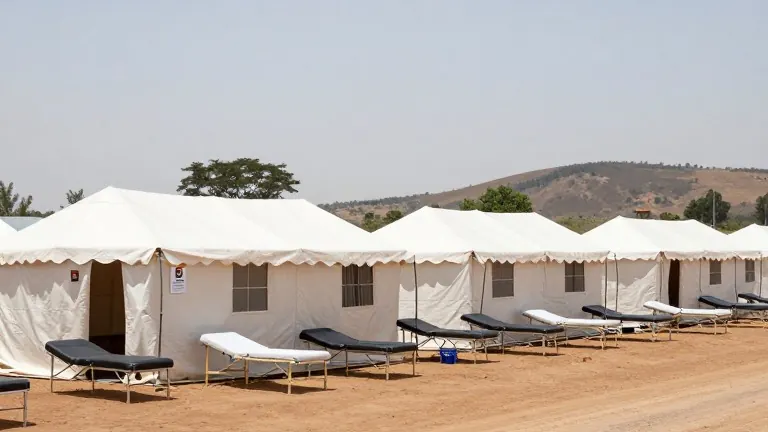
Despite pledges of more than $880 million from the United States, some on the ground report that funding is slow to arrive. Thomas-Canfield described the current financing as a fraction of what was available during previous responses. The response has improved recently, with about 24 diagnostic labs and more than 50 treatment centers now operating. Douglas Noble, the global incident manager for Ebola at UNICEF, said there are now nearly 2,000 treatment beds available. However, roughly two-thirds of deaths still occur in the community rather than in medical facilities.
Community distrust remains a major hurdle. An October survey by the International Rescue Committee found that 85 percent of respondents in North Kivu cited distrust of responders as a reason for avoiding care. Thomas-Canfield said teams constantly fight rumors and misinformation. Some residents question the reality of the disease or suspect responders of seeking profit. Roughly 80 percent of new cases come from individuals not previously identified by health officials. Bhadelia cited recent sporadic cases in Nigeria and Kenya as evidence that the virus is still spreading undetected in many regions of DRC.
No vaccine is currently licensed for the Bundibugyo species. Healthcare workers began receiving the existing Ervebo vaccine in late August, though it targets a different strain. A clinical trial named Tumaini has started to test the effectiveness of Ervebo against this specific variant. Bhadelia cautioned that vaccines and treatments must be paired with basic public health measures like contact tracing and isolation. She expressed concern that international attention might fade if funding dries up before the outbreak is contained.
Source: WUSF Public Media · original report published
More News · Clearwater news · Report a business · Got a Story?