
Gulf Coast Drivers Face Pump Hikes as Oil Giants Post Record Earnings
ExxonMobil, Shell, and Chevron reported over $36 billion in combined profits this quarter, driven by supply disruptions from the war in Iran.
By Nicholas Campbell ·
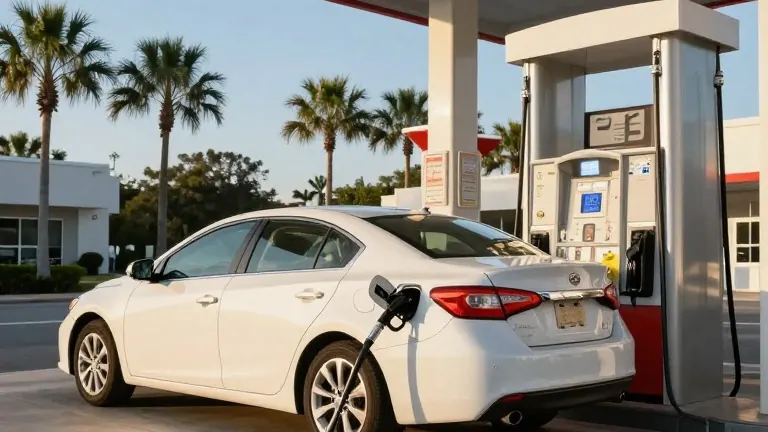
Oil executives in Texas and London reported record quarterly earnings on calls to investors this week, a surge driven by global supply shocks. The three major U.S. and international firms told shareholders that profits jumped sharply as the war in Iran disrupted oil flows from the Middle East. This disruption has made crude from the Americas and Europe more valuable, allowing companies to sell their barrels at much higher prices.
The financial results were substantial. ExxonMobil reported earnings of $15.4 billion, more than double what the company earned a year ago. Shell saw its earnings nearly double to $10.8 billion. Chevron’s profits rose 180 percent, reaching $9.9 billion. Together, these three companies generated just over $36 billion in the quarter. Brent crude prices now trade around $113 per barrel, up from approximately $70 before the conflict began.
Demand for fuel has remained steady despite the price spike. Drivers, farmers, and truckers continue to rely on gasoline, diesel, and heating oil. Dan Pickering, founder of Pickering Energy Partners, noted that the Middle East’s production losses have become a financial gain for producers in the U.S. and Europe. Executives stated that a large portion of these new profits went to shareholders through dividends and stock buybacks. Exxon announced its highest quarterly dividend ever, while Shell conducted one of its largest buybacks to date.
However, the companies are not rushing to spend the windfall on new drilling. Pickering described the current market as a period of wait-and-see, noting that high prices are driven by geopolitical events rather than long-term trends. He advised that companies are keeping cash in reserve to prepare for potential price drops as they move into 2027. Shell CEO Wael Sawan said he did not anticipate prices would remain this high, describing the initial spike as temporary. But with global reserves dropping and the U.S. Strategic Petroleum Reserve at low levels, Sawan warned it will take time to refill inventory.
Local consumers are feeling the impact at the pump. According to AAA, gasoline costs about $1.20 more per gallon than it did a year ago. Diesel prices hit a record high in September and remain near that peak. Exxon CEO Darren Woods acknowledged the burden on consumers, stating that his teams are maximizing production to help keep prices down. Chevron CEO Mike Wirth echoed this sentiment, focusing on helping consumers access as much fuel as possible from their systems.
Democratic lawmakers in Congress are pushing for a windfall tax to capture some of these excess profits. Senator Sheldon Whitehouse of Rhode Island argued that the tax would also highlight the cost competitiveness of renewable energy. Economist Isabella Weber of the University of Massachusetts Amherst called the situation a contradiction, where record profits occur during a severe supply crisis. While the Trump administration has taken steps like loosening diesel rules and lifting some sanctions on Russia, analysts say these moves are unlikely to lower prices significantly before the midterm elections.
Source: WUSF Public Media · original report published
More Business · Clearwater news · Bad Service · Report a business · Got a Story?