Power Design invests millions in St. Petersburg training campus to fix labor gap
The construction firm is expanding its 77,000-square-foot facility to double its apprentice intake and address a national shortage of skilled trade workers.
By Samuel Peterson ·
Power Design, a design and construction contractor, is investing tens of millions of dollars to expand its training campus in St. Petersburg. The expansion aims to double the number of new apprentices enrolled in the company’s four-year program next year. This move responds to a projected shortage of skilled labor across the United States.
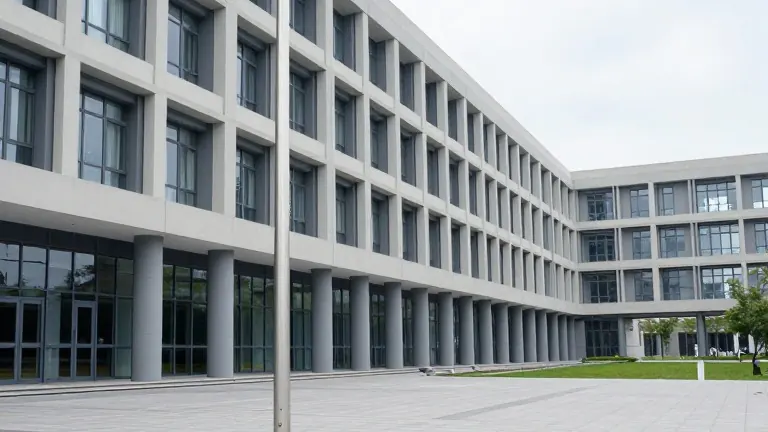
The existing facility, known as CAMP, occupies 77,000 square feet in St. Petersburg. It serves as the central hub for the PowerU apprenticeship program, which currently includes about 380 students nationwide. The expansion will add new amenities to the site, including dormitory rooms for students. The program operates on an earn-while-you-learn model, allowing apprentices to earn a salary while completing coursework and on-the-job training across 350 active Power Design projects.
Stephanie Morge, the vice president of learning and development at Power Design, stated that the supply of skilled workers does not match current demand. She noted that approximately 1.7 million trade jobs are expected to open annually for the next nine years. The State of America’s Skilled Trades report indicates that about one-quarter of the current workforce is 55 or older, while only 11% are younger than 25. Morge said this demographic shift is exacerbating the labor crisis.
The PowerU program is certified by the U.S. Department of Labor and the Department of Education. It was established seven years ago to create a uniform skill set for employees. Students must hold a high school diploma or equivalent and speak English to participate. The curriculum covers electrical, mechanical, plumbing, and systems technologies, preparing students to take their journeyman certification exams. Unlike some competitors that outsource education to local colleges, Power Design centralizes its training. Students spend one week per quarter at the St. Petersburg campus for in-person instruction.
Alex Fox, senior director of marketing and brand strategy for Power Design, highlighted the local economic impact of the program. He pointed to $6.7 trillion worth of construction needed by 2030, with acute demand in the Tampa Bay area due to new high-rises and housing projects. Fox said training local workers helps build the community and supports the local economy. The campus includes facilities such as cryotherapy chambers, light-therapy beds, and massage pods available to all Power Design workers.
The program pairs new apprentices with mentors, typically fourth-year students nearing completion. Morge said this support system helps counter the perception that trade jobs are low-end careers. She argued that this reputation has discouraged younger generations from entering the field. At the campus, construction employees work alongside office-based staff, challenging the traditional divide between field and office roles.
Source: Tampa Bay Beacons (TBN Weekly) · original report published
More Business · Clearwater news · Bad Service · Report a business · Got a Story?