Knesset Stalemate: Israel's New Parliament Leaves Prime Minister Question Open
Neither Benjamin Netanyahu nor Gadi Eisenkot secured a majority, leaving Arab-led parties as the potential deciding vote in coalition talks.
By Nicholas Campbell ·
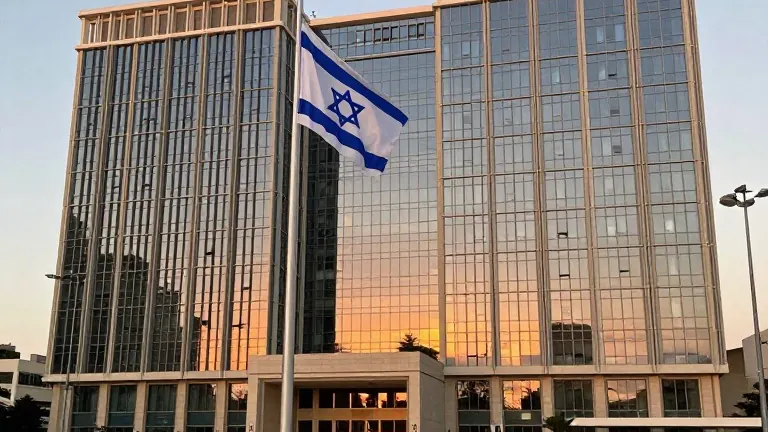
The results of Israel’s latest general election have determined the composition of the 120-member Knesset, but they have not resolved who will lead the country. Neither Prime Minister Benjamin Netanyahu nor his main rival, former military chief Gadi Eisenkot, won a majority of seats. Both camps must now negotiate with other factions to secure the 61 seats required to form a government.
The most arithmetically simple path to power involves Eisenkot allying with the Arab-led parties. These groups won a historic 19 seats in this election. Together, they could form a 67-seat coalition, or alternatively provide the external support needed for a minority government. However, this option carries political risk for Eisenkot and his Jewish allies. Arab citizens, who make up 20% of the population, have deep ties to Palestinians in the West Bank and Gaza. Netanyahu has already framed such an alliance as a threat to national security and Jewish identity, aiming to pressure Eisenkot’s right-leaning supporters to reject it.
Another scenario involves a unity government where Netanyahu and Eisenkot join forces. This alliance would also yield a 67-seat majority, placing Arab-led parties, ultranationalists, and ultra-Orthodox groups in the opposition. Such a government could address contentious issues like military exemptions for the ultra-Orthodox and economic stability. However, Eisenkot’s camp has vowed not to serve with Netanyahu following the October 7, 2023, Hamas attack. They blame him for security failures and cite his ongoing corruption trial. A Netanyahu-led government is also unlikely to approve an official inquiry into that attack, a key demand of opposition voters.
Netanyahu may also attempt to poach defectors from the opposition bloc to build a majority. He could target right-wing leaders Naftali Bennett and Avigdor Lieberman. Both men support nationalist policies, such as expanding West Bank settlements, which makes partnering with Arab parties difficult for them. Despite personal clashes with Netanyahu and previous vows to stay away, they are opposed to the military exemptions that are critical to Netanyahu’s ultra-Orthodox allies. Eisenkot has fewer options for recruitment, as Likud and its right-wing and ultra-Orthodox allies have remained loyal to Netanyahu.
If neither side secures a majority, Israel faces another election, likely early next year. Netanyahu’s current government would remain in a caretaker role until then. This outcome could hurt Netanyahu’s opponents, who gained momentum from tens of thousands of Israelis who traveled abroad to vote in this cycle. They may not repeat that effort. Netanyahu would gain time to strengthen his coalition, as smaller right-wing parties that missed the parliamentary threshold may consolidate their support into larger far-right groups. After a similar stalemate in 2019, Israel held five elections over three and a half years.
Source: WKMG-TV